Why 8.5x11 Booklet Printing Is Ideal for Marketing Materials and Informational Guides
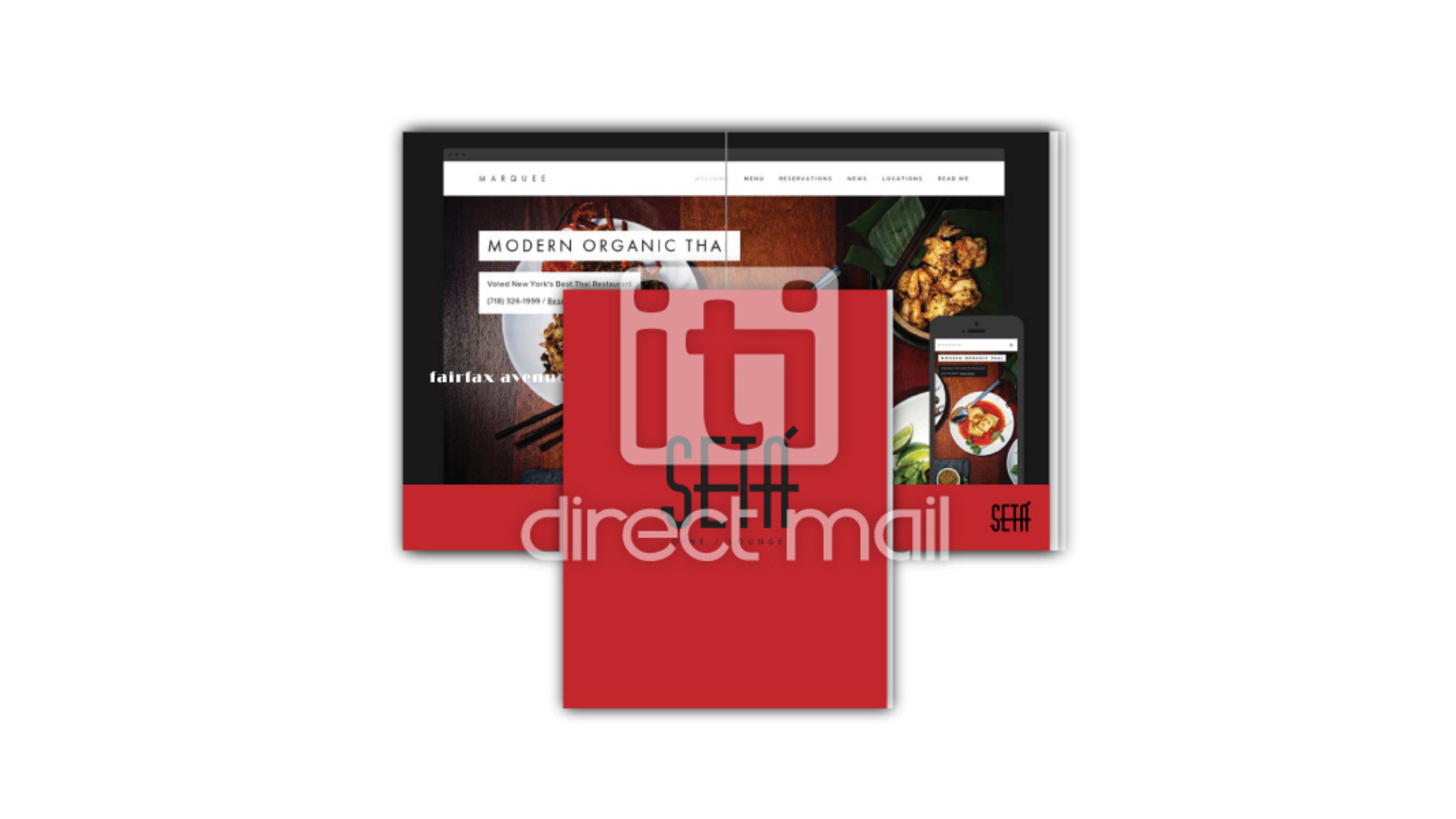
Something is grounding about a format we already understand before we even think about it. When we hold a letter-sized booklet in our hands, there is no learning curve. We know how to open it, how to scan it, and how to return to it later. That familiarity is not accidental, and it is exactly why 8.5x11 booklet printing continues to perform so well for marketing materials and informational guides that must be understood, trusted, and acted on.
When our goal is clarity rather than spectacle, the format matters as much as the message. A booklet built on standard letter-size pages gives information room to breathe. It allows ideas to unfold at a human pace.
What 8.5x11 Booklet Printing Means in Practice
At a practical level, 8.5x11 booklet printing refers to booklets created from standard letter-size pages that are folded, bound, and organized for easy reading. Pages are planned intentionally so that content flows cleanly from one section to the next.
Page count matters more than many people realize. Because booklets rely on imposition, the way pages are arranged for folding and binding, planning page multiples ensures nothing feels abrupt or unfinished. When this planning is done well, the reader never notices the structure. They simply experience smooth progression.
Standard letter size reduces friction across every stage of the process. Designers work within familiar dimensions. Printers avoid unnecessary complexity. Readers instinctively know how to handle, store, and reference the material. This ease removes small barriers that often interrupt engagement.
Ready to Boost Your Direct Mail Response?
Get professional printing and mailing services tailored to your campaign goals.
Why Letter-Size Booklets Feel Familiar and Easy to Use
Familiarity increases engagement because it reduces mental effort. We already know how to interact with letter-sized documents. We scan headings naturally. We hold pages comfortably. We file them without thought.
Readability benefits follow naturally. Line lengths feel balanced. Sections are easy to distinguish. There is enough space for headings, visuals, and callouts without cramping content. When reading feels comfortable, people stay longer.
Usability connects directly to marketing performance. Materials that are easy to navigate are more likely to be kept, revisited, and shared. That extended life is where understanding deepens, and response improves.
Where 8.5x11 Booklet Printing Fits Best in Marketing
There are moments when a single sheet is simply not enough. 8.5x11 booklet printing outperforms flyers when the message requires explanation. Education-heavy campaigns benefit most. When clarity and trust matter, booklets allow us to explain processes, timelines, and expectations without rushing. This reduces misunderstandings and follow-up friction.
Service overviews often need room to describe how something works, not just what it is. Onboarding packets help new clients or participants feel confident and informed. Product or program guides benefit from visuals, steps, and structured detail that cannot fit comfortably on one page. Event leave-behinds gain value when people can reference them later. A booklet supports that behavior naturally.
Why Booklets Improve Message Retention and Brand Recall
Longer form formats improve retention when content is structured and visually consistent. A booklet supports narrative flow, allowing us to guide the reader from problem to solution without abrupt jumps.
Repetition across pages reinforces recognition without pressure. Consistent typography, spacing, and layout patterns quietly build familiarity. This repetition feels calm rather than promotional.
Booklets tend to remain visible. They sit on desks, in folders, or alongside reference materials. Each glance reinforces memory. Over time, this repeated exposure strengthens recall.
Design Advantages That Make Information Easier to Understand
8.5x11 booklet printing gives us space to design for comprehension rather than compression. We are not forced to sacrifice clarity to fit content.
Clear section breaks guide scanning behavior. Callouts highlight key points without overwhelming the page. Diagrams, comparison tables, and step-by-step workflows remain legible and useful.
Images and charts benefit from scale. Important visuals do not need to be shrunk to the point of confusion. This reduces cognitive strain and speeds understanding.
Accessibility improves as well. Comfortable font sizes, logical heading hierarchy, and generous white space support different reading styles. Navigation feels intuitive instead of forced.
Production Choices That Affect Quality and Cost
Production decisions shape how a booklet feels and how long it lasts. Paper selection is a practical starting point. Text-heavy guides often perform better on uncoated stocks because they reduce glare and improve readability. Photo-forward materials benefit from coated stocks that enhance color depth.
Binding choices matter. Saddle stitching is common for lighter page counts and allows easy page turning. Thicker guides may require different binding methods to support durability and flatter opening.
Color strategy affects both clarity and budget. Color is essential when it supports understanding or reinforces identity. Selective color use can control costs without sacrificing effectiveness.
Print preparation prevents expensive mistakes. Proper bleed, safe margins, high-resolution images, and thorough proofing ensure the final piece matches its intent.
Mailing and Distribution Benefits
When planned thoughtfully, 8.5x11 booklet printing integrates smoothly with direct mail distribution. Booklets can be mailed as self-mailers, placed in envelopes, or included in multi-piece kits, depending on audience expectations and content sensitivity.
Each booklet can be unique. Covers may include recipient-specific information, such as an insurance quote prepared for a specific family. Variable data allows relevance without sacrificing professionalism.
For small and mid-sized teams, practical workflows matter. Batching, versioning, and coordinating print with mailing lists and timing keep execution manageable and efficient.
How 8.5x11 Booklet Printing Supports Higher ROI
Return on investment improves when fewer materials are discarded, and more information is absorbed. Booklets reduce friction by answering questions upfront.
Clear information improves lead quality. When people understand what is being offered, they self-qualify before responding. This reduces low-intent inquiries and increases better-fit conversations.
Alignment between the booklet content and the call to action matters. Phone numbers, forms, landing pages, and appointment prompts should feel like a natural next step based on what the booklet explains.
What to Measure and How to Improve Over Time
Tracking booklet-driven performance should not disrupt the reader experience. Dedicated URLs, short links, QR codes used sparingly, unique phone numbers, and offer codes allow attribution without clutter.
Metrics that matter include response rate, conversion rate, cost per lead, lead quality indicators, and time to close, where applicable.
Improvement comes through iteration. Testing different covers, headlines, section order, and calls to action across versions allows refinement without reinventing the entire piece.
Common Mistakes to Avoid With Letter-Size Booklets
Even high-quality printing can underperform when fundamentals are missed. Overloading pages with dense text exhausts readers. Weak hierarchy forces unnecessary effort. Unclear next steps leave interest unresolved.
Inconsistent branding from page to page reduces recognition. Poor proofing introduces doubt. Low-resolution images weaken credibility.
Distribution mismatches also matter. Mailing a booklet that is too bulky for the chosen packaging or budget creates unnecessary cost and frustration.
Conclusion
8.5x11 booklet printing is ideal for marketing materials and informational guides because it improves readability, organization, and long-term keep value. The format supports understanding without overwhelming and structure without rigidity.
Consistent design across pages strengthens recognition quietly, building familiarity through repeated exposure rather than force. When information is clear and usable, a response follows naturally.
For organizations looking to create letter-size booklets that inform clearly, feel intentional, and integrate smoothly with direct mail efforts, iti Direct Mail provides a dependable, end-to-end path from print to delivery. The process is built around consistency, precision, and an understanding of how people actually read and keep printed materials. When structure is thoughtful, and execution is steady, booklets become more than marketing pieces. They become trusted guides that invite engagement, support decision-making, and continue working long after they are first opened.
FAQs
What is the ideal page count for 8.5x11 booklet printing?
The ideal page count depends on content, but planning in clean page multiples ensures smooth layout and binding.
Does 8.5x11 booklet printing work better than brochures for informational guides?
Booklets often work better than brochures for informational guides because they support deeper explanation and retention.
What paper type is best for 8.5x11 booklet printing for marketing materials?
Uncoated stocks suit text-heavy guides, while coated stocks support image-driven materials.
How can we mail 8.5x11 booklets without driving up costs?
Early planning around size, weight, and packaging helps control mailing costs.
Can booklets be personalized?
Yes, booklets can be personalized responsibly using variable data.
How do we track results from booklet campaigns accurately?
Results are tracked through dedicated response channels and segment-level analysis.
Written by The Letterprinting Team | 12 January, 2026


