What Makes a Business Letter Credible in Direct Mail?
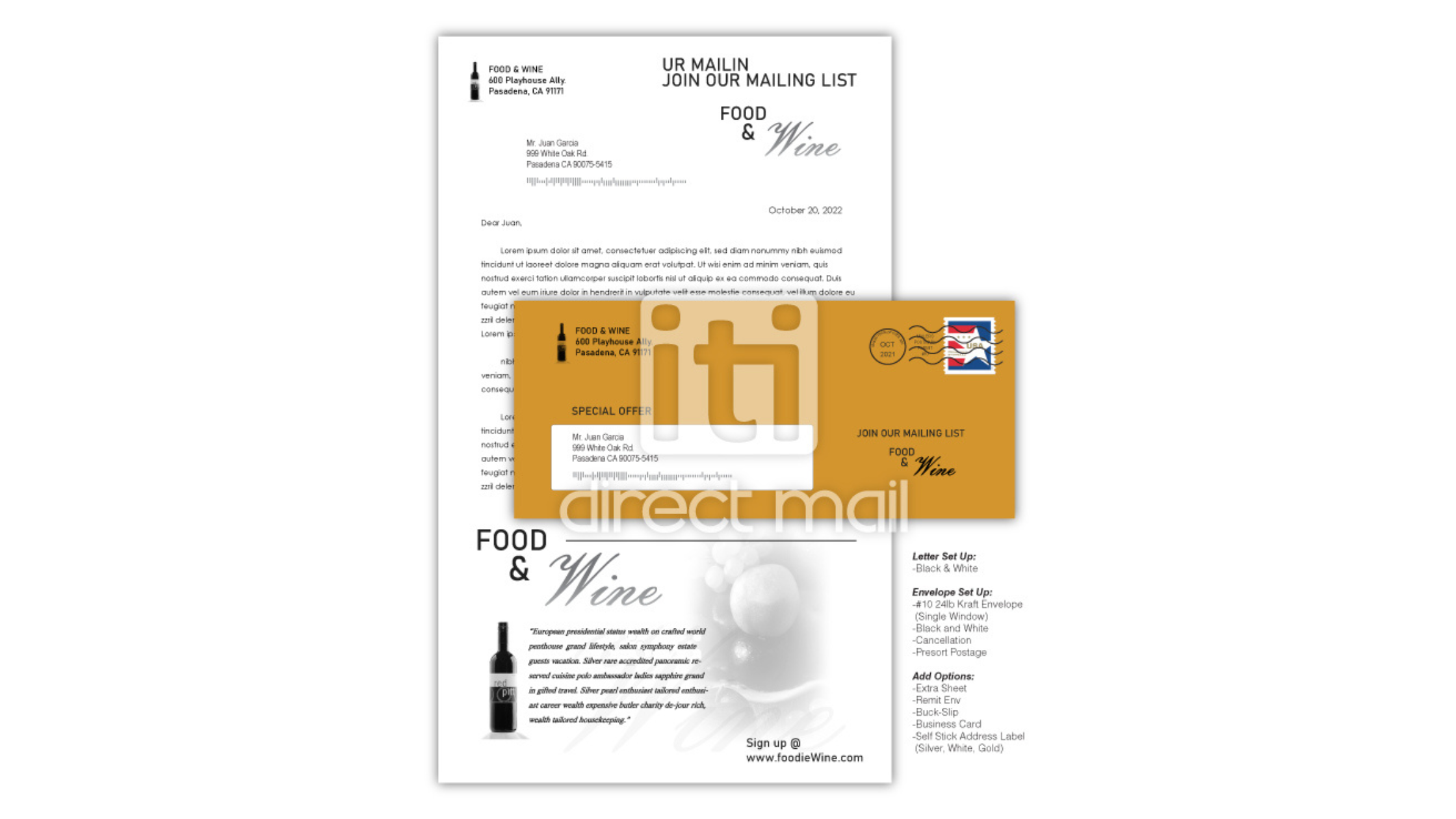
Most people decide whether a piece of mail is worth reading before they even pull it fully out of the envelope. A business letter either looks like something written specifically for them or like a mass-produced form letter dressed up to look personal. That split-second reaction determines whether your message gets read or tossed. Understanding what makes a business letter credible in direct mail is the difference between a letter that builds trust and one that ends up in the recycling bin.
Credibility is not something you can fake with clever copywriting alone. It is built through a series of small, consistent details. The letterhead, the signature, the formatting, and the tone all work together to either reassure the reader or raise red flags. This post breaks down exactly what separates a business letter that feels credible from one that feels like junk mail, so you can make sure every letter you send earns a second look.
Ready to Boost Your Direct Mail Response?
Get professional printing and mailing services tailored to your campaign goals.
The First Signals Recipients Notice
Before a recipient reads a single word, they are already forming an opinion based on how the letter looks. A real letterhead, one that includes your company name, logo, and contact information at the top, signals that the piece came from an established business rather than a template pulled off the internet. Generic layouts with no branding at all tend to feel impersonal, even when the content inside is well written.
The sender name is another early signal. If the name on the envelope does not match the name in the letter, or if the letter arrives with no clear sender at all, recipients become suspicious before they even open it. Consistency between the outside and the inside of the mail piece matters more than most businesses realize.
Formatting plays a role too. Cramped text, inconsistent fonts, or paragraphs that run together without breathing room make a letter feel rushed or automated. A clean layout with clear paragraph breaks tells the reader that someone took the time to prepare this letter, even if it was produced as part of a larger campaign.
Finally, the physical quality of the paper and print job carries weight. A letter printed on thin, low-quality paper with a faded or pixelated print job undercuts even the best-written message. Recipients associate print quality with the legitimacy of the business behind it.
Elements That Build Trust Inside the Letter
Once a recipient starts reading, several elements inside the letter itself reinforce or undermine credibility. A genuine signature is one of the most important. Whether it is a scanned handwritten signature or a natural signature font, it should look like it belongs to an actual person, not a stamped or overly digital mark. Letters that use interlocking, natural handwriting fonts, similar to the handwritten font options available through iti Direct Mail, can make a signed letter feel personally sent rather than mass-produced.
Clear company contact details also matter. A letter that lists a phone number, a physical address, and a way to respond gives the reader confidence that there is a real business behind the message, one they can reach if they have questions. Letters that omit this information, or bury it in fine print, tend to feel less trustworthy by comparison.
Specific, relevant details also separate a credible letter from a generic one. Opening with "Dear Customer" or a vague greeting signals a mass mailing with no real thought behind it. Referencing something specific, a location, a past purchase, or a relevant detail about the recipient, shows that the letter was prepared with intention.
Tone matters as well. Letters that lean too heavily into exaggerated claims, urgency, or aggressive sales language can feel more like a scam attempt than a legitimate business communication. A confident, straightforward tone that avoids overselling tends to build more trust as the reader moves through the letter.
Formatting Choices That Signal Professionalism
Layout and Structure
Beyond the content itself, the physical layout of a business letter communicates professionalism at a glance. Consistent margins, even spacing, and proper alignment throughout the page create a sense of order that readers associate with legitimate businesses. A letter that looks visually chaotic, even if the message is strong, can undercut the credibility built elsewhere.
Short paragraphs also help. Long, dense blocks of text are harder to scan and can make a letter feel like a legal document rather than a personal communication. Breaking the letter into short, digestible paragraphs makes it easier for the reader to follow the message and find the call to action.
Every credible business letter should have one clear call to action rather than several competing requests. A letter that asks the reader to call, visit a website, scan a QR code, and mail back a reply card all at once can overwhelm the reader and dilute the message. Choosing one primary next step and making it obvious increases the odds that the reader follows through.
Common Mistakes That Undermine Credibility
Even well-intentioned direct mail campaigns can lose credibility through avoidable mistakes. Mismatched fonts or inconsistent branding across different parts of the letter make it look like it was assembled quickly rather than professionally designed. When the font in the header does not match the font in the body, or the logo looks different from other marketing materials, recipients pick up on the inconsistency even if they cannot name exactly what feels off.
Obvious mail merge errors are another common issue. A letter that addresses the recipient by the wrong name, references incorrect details, or leaves a merge field blank instantly destroys the illusion of a personal letter. Reviewing the mail merge process carefully before a campaign goes out helps catch these errors before they reach a mailbox.
Cheap paper stock or blurry printing can also undo an otherwise strong letter. If the print quality looks like it came from an office printer running low on toner, it raises doubts about the business behind it. Missing a real return address or phone number leaves recipients with no way to verify the sender, which can make even a well-written letter feel questionable.
Why Working With an Experienced Printer Matters
Many of these credibility factors come down to execution, which is why the printing and mailing partner behind a campaign matters as much as the copywriting. An experienced printer handles letterhead design and printing consistently across every piece in a run, so recipients see the same professional quality whether they are the first or the ten thousandth person to receive the letter.
Reliable mail merge accuracy is another area where an experienced partner makes a difference. Catching errors before a campaign goes to print, and verifying that personalization fields are populated correctly, prevents the kind of mistakes that damage trust. Consistent quality across large mail runs also ensures that a campaign does not lose credibility as volume increases, something that becomes harder to control without the right systems in place.
Conclusion
A business letter credible enough to earn a read comes down to details that work together rather than any single element. Letterhead, signature, formatting, tone, and print quality all combine to either reassure the reader or raise doubts. Getting these pieces right consistently, letter after letter, is what separates a trusted direct mail campaign from one that gets tossed before it is even fully read.
iti Direct Mail specializes in direct mail letters for small to mid-size businesses, offering complete letterhead design and printing along with mail merge and mailing services handled under one roof. With years of experience helping clients maintain consistent, professional quality across every campaign, iti Direct Mail makes it easier to send business letters that earn trust from the first glance. Call 866-558-6365 or visit the contact page to talk through your next direct mail letter campaign.
FAQs
What makes a direct mail letter look legitimate?
A combination of real letterhead, a genuine signature, and clean, professional formatting gives a direct mail letter the credibility it needs to earn a read. Consistency between the envelope and the letter itself, along with clear contact details, reinforces that legitimacy.
Should I handwrite the signature on a business letter?
A natural signature font or a scanned handwritten signature both work well, as long as it looks authentic rather than stamped. For letters aiming to feel especially personal, a handwritten style signature paired with matching handwritten fonts can strengthen that effect.
Does paper quality affect how credible a letter looks?
Yes, paper weight and print clarity influence how recipients perceive the business behind the letter. Thin paper or a faded print job can undercut even the best written message.
How do I avoid my direct mail letter looking like a template?
Personalizing beyond just the recipient's name, referencing specific and relevant details, and avoiding generic greetings all help a letter feel individually prepared rather than mass-produced.
Is a company letterhead necessary for every mailing?
Letterhead is especially important for formal business communications and first-time outreach, since it establishes legitimacy right away. Simpler formats can work for more casual or repeat mailings once trust has already been established.
Written by The Letterprinting Team | 3 August, 2026


