Business Letter Mail Merge Tips for Personalizing High Volume Client Outreach
Most days, your audience is wading through sameness. Open the inbox or sort the kitchen-counter stack, and it’s a blur of templated copy, tired corporate phrases, and one-size-fits-all pitches. It’s not that the offers are bad; it’s that they don’t feel like they’re meant for anyone in particular. Without relevance or a human touch, even well-intentioned messages get skimmed, deleted, or dropped in the recycling without a second thought. The problem isn’t volume; it’s the absence of personalization that makes people tune out. This is why personalization is no longer a “nice-to-have” in marketing; it’s a necessity. In a world where attention spans are shorter than ever, making someone feel like a message was crafted specifically for them is a proven way to cut through the noise. However, when you’re communicating with hundreds or even thousands of clients at once, adding that personal touch can feel impossible. The good news? With the right tools, a clear strategy, and an intentional approach, you can scale your outreach while still making each recipient feel seen and valued.
Enter mail merge, a simple yet powerful solution that bridges the gap between high-volume mailing and one-to-one communication. Whether you’re sending printed business letters mail, colorful postcards, or formal invitations, mail merge allows you to merge efficiency with authenticity. It takes what would otherwise be a generic campaign and transforms it into a series of unique, personalized messages that speak directly to each recipient. Done right, mail merge doesn’t just improve the aesthetics of your communication; it can boost open rates, increase engagement, and significantly improve the overall ROI of your outreach campaigns.
In this guide, we’ll take a closer look at how you can use mail merge for business letters mail in a way that allows you to connect with clients on a personal level, even when sending messages on a massive scale.
What Is Mail Merge and How Does It Work for Business Letters?
To fully understand the power of mail merge, it’s helpful to break it down to its core function. At its simplest, mail merge is a process that allows you to create one master letter template and then automatically personalize it for every individual recipient using data from a spreadsheet, database, or Customer Relationship Management (CRM) system.
Think about it this way: imagine you’ve crafted a beautifully written letter that you want to send to 1,000 potential clients. Without mail merge, you’d be stuck manually typing each person’s name, address, and any other personalized details, an incredibly time-consuming process that leaves plenty of room for human error. But with mail merge, you can turn your letter into a dynamic template, inserting “merge fields” that automatically pull data from your contact list. These fields might include:
- First Name
- Last Name
- Company Name
- Address
- City, State, ZIP
Once the setup is complete, your mail merge software will take care of the heavy lifting, filling in each field with the corresponding information from your spreadsheet. The end result? A personalized letter for every single contact, generated in minutes instead of days.
The advantages of this process are clear:
- Speed: Mail merge allows you to produce hundreds, or even thousands, of unique letters in a fraction of the time it would take to personalize them manually.
- Consistency: Your messaging remains uniform and professional, while still feeling like it was written with each individual in mind.
- Scalability: Whether you’re sending out a targeted list of 500 letters or conducting a massive campaign of 50,000, the process remains just as efficient and effective.
Because of these benefits, mail merge has become a go-to tool for a wide range of organizations, including businesses aiming to reach clients with tailored offers, nonprofits seeking to connect with donors, schools communicating with parents, political campaigns rallying supporters, and real estate professionals nurturing leads. The versatility of this method means that no matter your industry, if you value efficiency and personalization, mail merge is a solution worth mastering.
Preparing Your Data for a Successful Mail Merge
The success of any mail merge campaign doesn’t begin when you start writing your letter; it begins with your data. The quality, accuracy, and organization of your mailing list will ultimately determine whether your outreach feels polished and personal or sloppy and disconnected. Even the most compelling message will fall flat if it arrives at the wrong address, is addressed to the wrong person, or contains glaring errors in the recipient’s information. That’s why investing time upfront in preparing your data is one of the smartest things you can do.
Start by making sure your mailing list is accurate and up to date. This isn’t just about saving money on wasted postage; it’s about making a strong first impression. When a recipient sees their name spelled incorrectly or receives a letter meant for someone else, the credibility of your business takes a hit. To avoid this, verify addresses using USPS address verification tools, update contact records regularly, and remove duplicates to prevent sending the same letter more than once. This level of care shows your audience that you value their time and attention.
Once your list is clean, focus on formatting your data correctly. Each piece of information, first name, last name, street address, city, state, and ZIP code, should be placed in its own dedicated column in your spreadsheet or database. This makes it easy for your mail merge software to accurately pull and insert the right details into your letter template without errors. Consistent formatting across your dataset also prevents awkward spacing, broken lines, or misplaced information in the final printed letter.
This is also the perfect stage to go beyond the basics and add fields that allow for deeper personalization. The more relevant your letter feels, the higher your chances of getting a response. For example, you might include fields for the recipient’s purchase history, the service package they currently use, the date they became a customer or member, or even the donation amount they made last year. These details give you the ability to reference specific facts about your relationship with each recipient, instantly making your message feel less like a mass mailing and more like a personal note.
Another powerful tactic is segmenting your audience. Instead of sending the exact same letter to everyone on your list, group recipients based on shared characteristics such as location, interests, industry, or past interactions with your business. This allows you to make subtle tweaks to your letter’s content so each group feels the message was designed just for them. For example, you might reference a local event for recipients in a particular city or highlight different benefits for first-time customers versus long-term clients. Segmentation helps you strike the perfect balance between high-volume efficiency and one-to-one relevance.
Crafting a Strong, Flexible Letter Template
If your data is the foundation of a successful mail merge campaign, then your letter template is the backbone that holds everything together. It needs to be strong enough to capture attention and inspire action, yet flexible enough to work for hundreds, or even thousands, of different recipients. Crafting a letter that can seamlessly adapt to different names, locations, and personal details takes skill, but it’s one of the most important parts of the process.
Begin with a compelling opening that immediately connects with the reader. This could be a thought-provoking question, a timely reference to something happening in their local area, or a direct acknowledgment of their relationship with your organization. For example, you might say, “Hi [First Name], I wanted to personally thank you for being part of our [Membership Program] here in [City].” By incorporating merge fields right from the start, you set the tone for a message that feels personal rather than generic.
As you build your letter, think about where and how to strategically place merge fields for maximum impact. You don’t want to overload the letter with too many personalized elements, as that can feel forced or unnatural, but you do want to sprinkle in enough to make each recipient feel like the message was written with them in mind. Merge fields can be used for names, locations, membership levels, purchase details, or even dates, anything that signals the letter was crafted specifically for them.
Tone is another crucial factor. While business letters should maintain a professional standard, that doesn’t mean they have to be cold or overly formal. A conversational tone, paired with clear and concise language, can make your message feel more approachable and relatable. Think of it as speaking to the reader, not at them.
Finally, every strong letter template needs a clear and actionable call to action. Whether you want the recipient to visit your website, schedule an appointment, call a dedicated number, or attend an event, spell it out clearly and make it as easy as possible for them to take the next step. Pairing this with a limited-time offer or specific deadline can create urgency and boost response rates.
Personalization Techniques to Increase Response Rates
Once you’ve mastered the basics of mail merge, clean data, a solid template, and accurate merge fields, you can start layering in more advanced personalization techniques that take your outreach from “good” to “unforgettable.” These are the subtle touches that make recipients feel seen, valued, and connected to your message.
One of the most powerful personalization methods is incorporating localized references. Mentioning the recipient’s city, neighborhood, or region in your letter instantly signals that you understand their environment and aren’t just sending out a mass-produced message. For instance, opening with, “It’s been an exciting season here in [City], and we’re thrilled to share how this could benefit you,” creates an immediate bond. This approach works particularly well for local businesses, real estate professionals, political campaigns, and nonprofits because it grounds your message in the recipient’s own community.
Relevant offers are another high-impact personalization strategy. If you have access to customer history or preference data, use it to tailor what you’re presenting. A clothing retailer might reference the style of a past purchase, while a service-based company could offer a discount on a service the client has used before. The more your offer aligns with the recipient’s interests or needs, the higher the likelihood they’ll respond. Even a small nod to their history with your brand, such as acknowledging a previous event they attended or a donation they made, can significantly increase engagement.
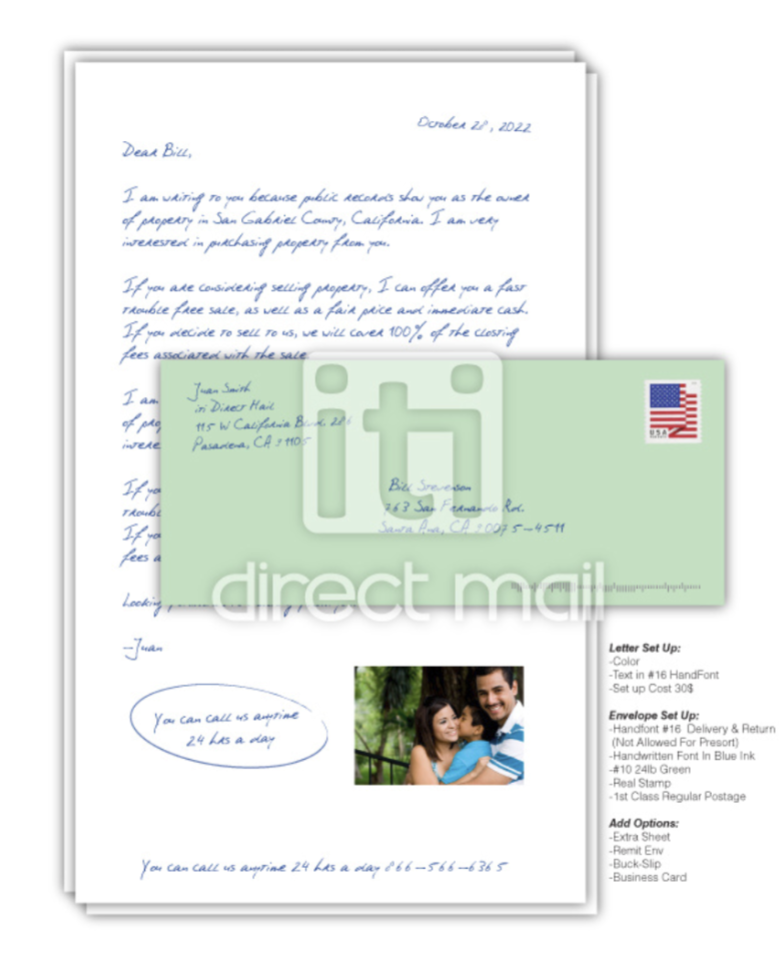
Adding handwritten-style elements can also work wonders, even in a printed letter. A scanned signature, a short “P.S.” note in a handwriting font, or a small personalized comment at the bottom of the page can make the letter feel like it came directly from your desk rather than from a printer. This technique taps into the psychology of authenticity; it feels less like a marketing piece and more like genuine correspondence.
The most important thing to remember is balance. Too much personalization, especially if it draws on overly detailed personal data, can make recipients feel uneasy or even suspicious. The goal is to make your letter feel intentional and thoughtful, not invasive. A few well-placed personal touches, grounded in relevance, will dramatically improve your response rates without crossing any boundaries.
Design and Formatting Considerations for Mail Merge Letters
While personalization makes a letter feel unique, design and formatting are what make it look professional and trustworthy. No matter how compelling your content is, if the letter looks sloppy, inconsistent, or hard to read, recipients may never give it the attention it deserves.
The first rule of mail merge letter design is consistency. Choose fonts that are clear, legible, and aligned with your brand style. Avoid using too many different typefaces, which can make your letter look disorganized. For most professional communications, a clean serif or sans-serif font works best, paired with clear headings or bold text for emphasis when needed.
Margins should be uniform, and the layout must account for varying lengths of data in merge fields. For example, some addresses may be short, while others are longer and could spill over if not formatted correctly. A test run will help you catch these issues before you send your entire campaign.
Incorporate company branding carefully. Adding your logo, brand colors, and tagline reinforces your identity, but resist the urge to fill every inch of the page with design elements. Too much clutter can overwhelm the reader and make the letter feel more like an advertisement than a personal communication. Here, white space becomes your ally; it gives the eye room to rest and makes the overall design feel clean, approachable, and easy to navigate.
Finally, always run a test print of your letters before you commit to full production. Check for spacing issues, font inconsistencies, logo clarity, and how the letter looks when folded and placed in its envelope. What appears fine on your screen might not translate perfectly to print, so catching these details early can save you time, money, and potential embarrassment.
Printing and Fulfillment for High-Volume Campaigns
Printing and mailing hundreds, or even thousands, of personalized business letters is not just about pressing “print” and dropping them in the mailbox. It’s a complex process that requires precision, quality control, and efficiency to ensure every single letter reaches its intended recipient in perfect condition. This is why many organizations turn to professional mailing services; they not only save you time but also ensure that your campaign maintains the highest possible standard from start to finish.
A professional mailing partner can deliver high-quality printing that gives your letters a polished and professional appearance. Crisp text, consistent colors, and clean layouts make a significant difference in how your message is perceived. Poor print quality can cheapen your brand, while sharp, well-produced letters reinforce credibility and trust.
Beyond printing, there’s the matter of fulfillment, the behind-the-scenes work that ensures each letter is folded neatly, inserted into the correct envelope, sealed securely, and prepared for postage. Professional services can automate these steps for thousands of letters, reducing human error and ensuring consistency across your entire mailing.
Postage is another area where a mailing service can save you money and time. By leveraging discounted bulk mailing rates, they can help lower your postage costs significantly, especially for large campaigns. Plus, they ensure USPS compliance, which minimizes delivery issues and keeps your campaign moving without delays.
When combined with automation technology, a professional mailing partner can process your entire mailing list quickly while still preserving the personal touch that makes mail merge so effective. Instead of spending days or weeks manually preparing your outreach, you can have it printed, processed, and in the hands of your audience within a fraction of the time.
Tracking and Measuring Campaign Performance
Personalization is a powerful tool, but its true value lies in measurable results. If you’re not tracking the effectiveness of your mail merge campaign, you’re missing the opportunity to learn, adapt, and improve.
Incorporating tracking elements into your letters allows you to measure engagement with precision. For example, you can assign unique phone numbers to each campaign or audience segment, making it easy to track which letters generate calls. Personalized URLs, or “PURLs”, give each recipient their own web address, letting you see exactly who visits your site and from which campaign. Similarly, QR codes can direct recipients to a specific landing page and provide instant analytics on scan activity.
Once your campaign concludes, it’s important to analyze the results. Compare response rates between different audience segments, geographic locations, or versions of your message. If one segment responded at a significantly higher rate, you can identify what made that message resonate and replicate it in future campaigns.
This process transforms your outreach from a one-time effort into a continuous cycle of testing, measuring, and refining, allowing every campaign to be smarter and more effective than the last.
Common Mail Merge Mistakes to Avoid
Even with a strong strategy, certain mistakes can undermine the professionalism and impact of your mail merge letters. Knowing these pitfalls in advance will help you avoid them and protect the credibility of your brand.
One of the most damaging errors is incorrect merge fields. Few things ruin personalization faster than a letter that says, “Dear [First Name]” or uses the wrong name entirely. This often happens when data fields aren’t set up correctly or the wrong column is linked in the merge process. Always run test prints to confirm that all fields populate accurately.
Another common issue is poor data quality. Outdated addresses, misspelled names, and incorrect titles can make your brand seem careless. This not only wastes money on undeliverable mail but also risks alienating your audience. Regularly updating and cleaning your database is essential for maintaining professionalism.
Finally, beware of over-personalization. While including relevant details can make your letter feel genuine, referencing too much personal information can feel invasive or unsettling to the recipient. The key is to strike the right balance, enough personalization to feel authentic, but not so much that it crosses into discomfort.
By testing your mail merge output before launching your campaign, maintaining a clean and organized database, and applying personalization thoughtfully, you can avoid these mistakes and ensure your campaign feels polished, intentional, and trustworthy.
Conclusion & Promotion of LetterPrinting
When done right, mail merge is one of the most powerful tools for high-volume business letter campaigns. It bridges the gap between mass communication and personal connection, making every recipient feel like they’ve received something meant just for them.
From clean, accurate data to thoughtfully crafted templates and professional execution, every step matters. The result is a campaign that’s not only efficient but also highly engaging, one that improves open rates, response rates, and overall return on investment.
At LetterPrinting, we specialize in high-volume, personalized business letter campaigns using advanced mail merge and variable data printing. We handle everything, from data cleanup and letter design to printing, fulfillment, and USPS delivery, so you can focus on connecting with your audience while we handle the details.
Whether you’re mailing to 500 clients or 50,000, we’ll make sure your outreach feels personal, professional, and impactful. Visit us today to learn how we can help power your next direct mail campaign and take your client communication to the next level.


