Designing A Commercial Real Estate Brochure That Attracts Serious Investors
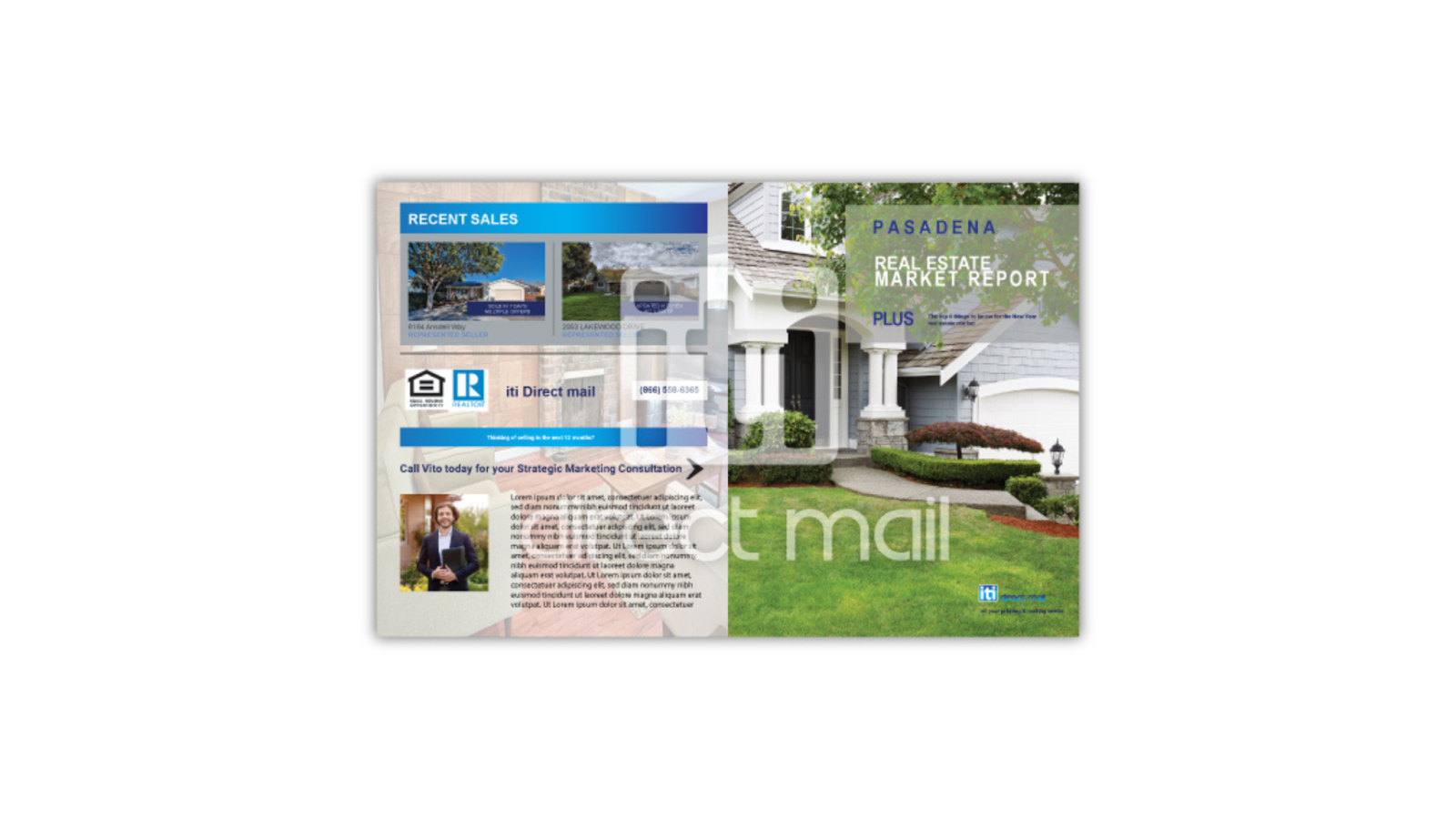
Before a spreadsheet whispers “profit,” a Commercial Real Estate Brochure earns the right to be believed. In the seconds an investor skims the cover, your story either leaps off the page or never leaves the table. This is the paper handshake that has to close the distance between curiosity and commitment, fast. When it’s crafted with intent, a Commercial Real Estate Brochure doesn’t just list specs; it broadcasts credibility, frames the upside, and quietly says, “this is worth your capital,” before anyone asks a single question.
Unlike a website that can be closed in seconds or an email that’s buried under hundreds of unread messages, a brochure has a physical presence. It’s something investors can hold, leaf through, and revisit at their convenience. It can sit on a desk, spark discussion in a boardroom, or be passed between partners as they weigh their next move. That tangibility gives it staying power, a silent, persistent reminder that you have something worth considering.
More importantly, a brochure gives you control over how your opportunity is presented. You can distill complex information, ROI projections, property specifications, demographic data, and market analysis into an elegant, organized format that leads the reader exactly where you want them to go. Done right, it’s not just a data sheet; it’s a narrative that subtly guides an investor toward the conclusion that working with you is the smartest move they could make.
Think of it as your “silent sales partner.” Even when you’re not in the room, your brochure can make the case for your property. It can answer questions before they’re asked, build trust before the first phone call, and create a level of familiarity that shortens the distance between interest and investment. Throughout this blog, we’ll break down how to design a brochure that speaks the language of serious investors, using a mix of strategic content, professional design, and targeted distribution to make sure your message doesn’t just reach the right people, it resonates with them.
Understanding Your Target Investor Audience
Before you even start thinking about fonts, paper stock, or headline ideas, you have to know exactly who you’re speaking to. In commercial real estate, “serious investors” isn’t a catch-all phrase; it refers to a very specific audience with distinct goals, decision-making processes, and expectations. These are institutional investors, high-net-worth individuals, private equity firms, and family offices with the financial muscle to act decisively when the right deal comes along.
These investors aren’t casually browsing for a property the way a homebuyer might scroll through listings. They’re looking for opportunities that align with a clear set of criteria: predictable returns, solid market fundamentals, and manageable risk. They’re driven by numbers, but they also care about market context, what’s happening in the local economy, how comparable properties are performing, and what long-term trends might affect their investment.
That’s why your brochure needs to deliver more than just a collection of polished property photos. Yes, visual appeal matters, but for this audience, substance trumps style. They want to see projected ROI backed by credible data, vacancy rates compared to market averages, details about tenant stability, and evidence of future growth potential, such as nearby infrastructure projects, zoning changes, or economic development initiatives.
Tone plays a massive role here. You’re not writing for a casual reader; you’re speaking to seasoned professionals who make decisions based on evidence. Your language should be confident, concise, and authoritative, supported by precise facts and clear reasoning. That doesn’t mean you have to strip out personality; storytelling is still important, but every anecdote or descriptive flourish should tie back to the property’s investment potential.
For example, if a property is located in a neighborhood undergoing revitalization, you might not just list the new developments; you could frame it as part of a larger trend in urban renewal that’s historically led to significant increases in property value. You’re not simply describing; you’re connecting dots in a way that helps them envision the upside.
The best brochures for serious investors strike a balance; they respect the reader’s time and intelligence by getting to the point quickly, but they also create enough intrigue and confidence to spark a conversation. If you can combine analytical precision with a compelling vision for profitability, you’ll have a brochure that doesn’t just get read, it gets acted on.
Structuring the Brochure for Maximum Impact
The structure of a commercial real estate brochure is much like the blueprint of a property; it needs to be purposeful, balanced, and strategically designed to lead the reader from first glance to final action. Every element should flow naturally, making it easy for an investor to absorb the information while building interest and trust. The front cover serves as your handshake, and in commercial real estate, first impressions are everything. This is where professionalism and intrigue meet. Featuring your company logo, a striking high-resolution image of the property, and a carefully crafted headline, the cover should immediately set the tone. Instead of a generic title like “Office Space Available,” opt for one that speaks to investment potential, such as “Exceptional Commercial Asset in a Proven Growth Market.” This not only piques curiosity but also positions the opportunity as something worth investigating.
Once inside, the narrative begins. The opening spread should introduce your company or brokerage with a concise “About Us” section that highlights your expertise, credibility, and proven track record in handling similar transactions. From there, you move into the heart of the presentation, the property details. This is where you include essential facts like location, square footage, tenant mix, amenities, and any unique features that set the property apart. Balance hard data with storytelling so that an investor not only understands the numbers but also envisions the potential. Including a market overview with local demographics, infrastructure developments, and rental demand trends strengthens your positioning as a trusted advisor rather than just a seller.
The final touchpoint is the back cover, which serves as your closer. This is the place to reinforce your brand, restate your contact information, and present a compelling call to action. Whether you’re prompting the reader to schedule a meeting, request a full investment prospectus, or arrange a property tour, the closing message should be confident and direct. Adding professional headshots of yourself or your team can humanize the connection, creating a sense of familiarity and trust before the first meeting ever takes place.
Design Principles That Elevate Perceived Value
In the world of commercial real estate, the design of your brochure is far more than a visual afterthought; it’s a direct reflection of the value and credibility of the opportunity you’re presenting. Investors are accustomed to dealing with high-value transactions, and they naturally associate quality design and production with professionalism and attention to detail. This means the overall layout must be clean, deliberate, and easy to navigate. A brochure cluttered with too much text or poorly aligned visuals can dilute your message, no matter how strong the property’s investment potential may be. Strategic use of space, balanced margins, and a logical flow of information help guide the reader’s eye while maintaining a sense of sophistication.
Consistency in branding is also essential. Every brochure should feel like a natural extension of your company’s identity, carrying the same color palette, typography, and logo placement that an investor might see on your website, digital listings, or LinkedIn profile. This creates familiarity, which builds trust, and trust is often the deciding factor in whether an investor takes the next step. Typography plays a key role here; professional, readable fonts communicate stability and confidence, while overly stylized or decorative fonts can undermine credibility. The choice of color should be equally intentional, reflecting both your brand identity and the tone you want to set for the property: cool, muted tones for luxury and corporate spaces, or warm, vibrant tones for creative and mixed-use developments.
Printing quality is the final, non-negotiable piece of the puzzle. In an era where so much marketing is digital, the tactile feel of a premium brochure can make a lasting impression. Heavyweight paper stock, smooth matte or refined gloss finishes, and secure binding all contribute to the perception that what’s inside is worth serious consideration. A well-produced brochure feels substantial in the hand, signaling that you value not only the property but also the potential investor’s time and attention. When executed well, design doesn’t just make your brochure attractive; it elevates the perceived value of the entire investment opportunity.
Distribution Strategies to Reach the Right Investors
A beautifully designed commercial real estate brochure is only as effective as the strategy used to place it in the right hands. Without a thoughtful distribution plan, even the most compelling content and polished design risk going unnoticed. In an industry where timing and targeted exposure can make or break an opportunity, getting your brochure in front of qualified investors must be intentional, precise, and consistent. Direct mail remains one of the most reliable methods for connecting with high-value prospects. By using targeted mailing lists curated by criteria such as property type interest, investment range, or geographic focus, you can ensure your brochure is reaching those most likely to engage. Pairing the physical brochure with a personalized cover letter adds an extra layer of connection, demonstrating that you’ve done your homework and understand the recipient’s specific investment priorities.
Face-to-face interactions remain invaluable in commercial real estate, and this is where in-person distribution comes into play. Bringing brochures to property tours, investor meetings, and site visits ensures that your pitch is backed by a tangible, take-home reminder. Investors can revisit the details at their own pace, and the physical presence of your brochure on their desk or conference table keeps you top-of-mind long after the conversation has ended. Similarly, industry events like real estate conferences, trade shows, and networking expos offer prime opportunities for mass distribution to a concentrated audience of decision-makers. Positioning your brochures prominently at your booth or including them in event gift bags can significantly expand your reach.
Finally, smart distribution doesn’t end once the physical brochure changes hands. Digital follow-up is essential for reinforcing your message and ensuring ongoing accessibility. Sending a follow-up email or LinkedIn message with a PDF version of your brochure ensures that even if the printed copy gets misplaced, the recipient still has instant access to the information. This multi-touch approach, blending physical presence with digital convenience, maximizes the odds that your brochure will not only be seen but also acted upon by serious investors.
Measuring Impact and Refining the Approach
In commercial real estate marketing, success isn’t just about creating materials that look impressive; it’s about ensuring those materials actively contribute to securing meetings, generating offers, and closing deals. Measuring the impact of your brochure campaign is therefore critical. Start by tracking tangible outcomes such as the number of inquiries, meeting requests, and investment commitments that can be directly attributed to your brochure distribution. Integrating trackable elements like unique phone numbers, QR codes, or custom landing page URLs into your design allows you to monitor engagement with precision, giving you a clearer picture of what’s resonating with your audience.
Beyond the numbers, qualitative feedback from investors is just as valuable. Whenever possible, ask recipients whether the brochure provided the level of detail they needed, whether the layout made the information easy to digest, and whether there were areas where additional content would have been helpful. These insights reveal not only what you’re doing right but also where you can fine-tune your messaging and design for future campaigns. Remember, your brochure is not a static piece; it should evolve with shifts in the market, changes in investor priorities, and updates to your property offerings.
By treating your brochure as a living marketing asset rather than a one-time print run, you position yourself to continually improve its effectiveness. Refining your approach based on measurable results and candid feedback means each subsequent version becomes sharper, more targeted, and better aligned with what serious investors want to see. Over time, this commitment to ongoing improvement doesn’t just enhance your brochure; it strengthens your reputation as a proactive, investor-focused professional who understands how to present opportunities in the most compelling way possible.
Why Work with a Professional Printing and Mailing Partner?
Creating a commercial real estate brochure that genuinely captivates serious investors takes far more than an attractive design and a quick print job. In this competitive market, every detail, from the weight of the paper to the sharpness of the imagery, communicates something about your professionalism and the value of the opportunity you’re presenting. A professional printing and mailing partner brings a level of expertise, precision, and polish that simply can’t be replicated with basic in-house tools. They understand the nuances of print quality, ensuring that colors are vibrant, text is crisp, and images are reproduced at the highest resolution possible. The tactile experience of holding a premium brochure can have a profound impact on how investors perceive you and your brand.
Beyond visual appeal, a professional partner can provide strategic guidance on all aspects of production. They’ll help you select the perfect paper type, whether you want a sleek gloss finish for a modern property offering or a sophisticated matte finish for a luxury portfolio. They’ll advise on folding and binding techniques that enhance usability without compromising aesthetics, and they’ll ensure every brochure feels as good in the hand as it looks to the eye. This level of detail transforms your brochure from a basic marketing handout into a premium sales asset.
Perhaps one of the most overlooked benefits of working with a professional is access to advanced mailing services. Instead of juggling multiple vendors, one for printing, one for addressing, and one for distribution, a single partner can manage the entire process seamlessly. They can target mailings to highly specific investor profiles based on geography, investment history, or portfolio type, ensuring your brochures don’t just get sent, they get sent to the right people. This level of precision saves you time, eliminates logistical headaches, and increases your ROI by maximizing the chances that your materials end up in the hands of serious decision-makers. In short, a professional printing and mailing partner doesn’t just produce your brochure; they help you deploy it strategically to get measurable results.
Conclusion & Promotion of LetterPrinting
When designed and executed effectively, it serves as both an informational guide and a persuasive sales tool, capable of sparking conversations, generating interest, and ultimately driving investment decisions. The combination of clear, data-backed content, compelling visuals, strategic structure, and premium print quality ensures your brochure stands out in an investor’s crowded field of opportunities.
The process begins with understanding your audience and what truly matters to them, then structuring your brochure to guide them naturally from curiosity to action. It requires an investment in quality because in this industry, presentation isn’t just part of the deal; it is the deal. And finally, it demands a distribution strategy that places your brochure in front of the right people, at the right time, in the right way. When all these elements work together, your brochure becomes a key driver of your marketing success, reinforcing your reputation as the go-to resource for serious investors.
At LetterPrinting, we specialize in turning that vision into reality for commercial real estate professionals. Whether you need a small, exclusive run for a high-value property or a large-scale mailing to promote a portfolio, we have the expertise, technology, and strategic know-how to deliver results.
If you’re ready to elevate your investor outreach and make a lasting impression, let’s work together. Visit iti Direct Mail today and start creating brochures that not only look exceptional but also move your business forward. Your next big deal could begin with the right brochure. Let’s make sure yours is unforgettable.


