How Direct Mail Envelopes Improve Campaign Response and Brand Recognition
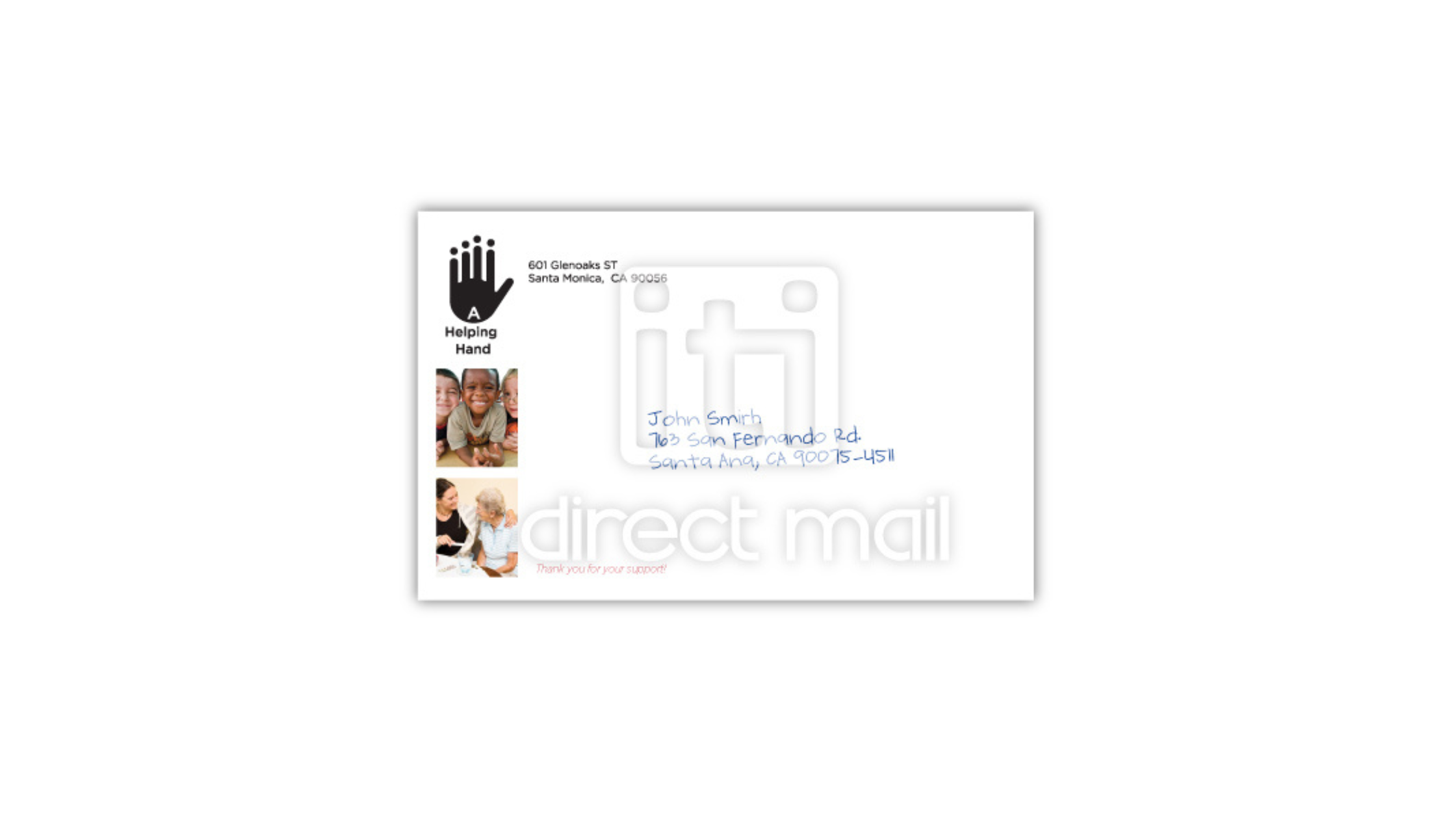
Before a word is read, before a message is judged, and before intent is formed, the envelope has already been spoken. In direct mail, that quiet moment at the mailbox is decisive. We either earn attention or lose it instantly. This is why direct mail envelopes are not packaged. They are the first strategic touchpoint, shaping response and recognition before the letter inside ever has a chance to work.
When we slow down and look closely, we see that envelopes influence two outcomes at once. They determine whether a campaign gets opened, and they quietly teach recipients who we are. Response is immediate and measurable. Brand recognition is cumulative and subtle. Both begin at the same place, in the hand, in the pause, in that brief decision to open or discard.
We live in an open-or-trash world. The human brain sorts mail quickly, often in seconds. Credibility signals, visual calm, and relevance reduce the risk of being dismissed as junk. When envelopes feel intentional and professional, they move us out of reflex and into curiosity. That shift alone can change campaign performance.
Why Direct Mail Envelopes Matter
Direct mail envelopes are the first physical contact between a campaign and a recipient. They decide whether the message is welcomed or rejected. This moment is not emotional in a dramatic way. It is practical, fast, and deeply habitual. The envelope either looks safe to open or it does not.
This decision directly affects campaign response because unopened mail cannot convert. It also affects brand recognition because repeated exposure to a consistent, credible presentation builds familiarity over time. Even unopened mail can still reinforce recognition when identity cues are clear and steady.
The open-or-trash moment happens before logic. It is shaped by visual order, legitimacy, and perceived relevance. When envelopes resemble mass advertising, they are filtered out. When they resemble real correspondence, they are given a chance.
Ready to Boost Your Direct Mail Response?
Get professional printing and mailing services tailored to your campaign goals.
The Psychology Behind the Open Decision
We evaluate envelopes using quick cues. Familiarity tells us whether we have seen this sender before. Relevance tells us whether the message might matter to us. Legitimacy reassures us that opening the envelope is safe. Perceived value hints that our time will not be wasted.
Trust is built through restraint. Clear sender identity, consistent formatting, and professional materials create a sense of safety. When envelopes look calm and intentional, they feel safe to open. When they look aggressive or gimmicky, they trigger avoidance.
Personalization changes behavior because mail that feels intended for us interrupts automatic sorting. Seeing our name correctly formatted signals care and effort. It tells us that this message was prepared with us in mind, not blasted at random.
Curiosity can help, but only when it feels honest. Teasers that promise relevance can invite engagement. Teasers that feel exaggerated or misleading often backfire, especially with professional audiences. When curiosity conflicts with credibility, credibility must win.
Envelope Elements That Increase Campaign Response
Format, size, shape, and visibility. Standard envelopes blend into daily mail, which can be an advantage when trust matters. Oversized envelopes can stand out, but they also raise skepticism if they feel promotional. The right choice depends on audience expectations and campaign intent.
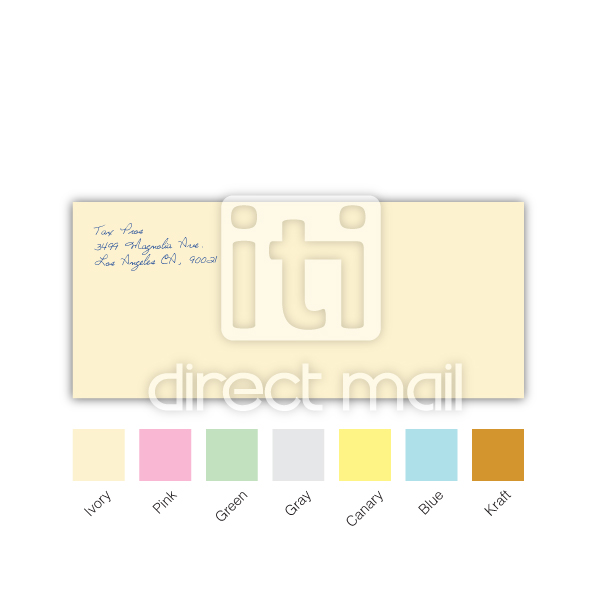
Paper stock, color, and texture quietly communicate quality. Thicker stock suggests seriousness. Softer colors feel less like advertising. Opacity protects privacy and signals respect, which can increase openness in professional contexts.
Address blocks should be clean, readable, and familiar. Overdesigned address areas create friction.
Simple formatting reduces effort and increases comfort.
Font choices matter more than we often admit. Handwritten-style fonts can feel personal when used carefully. Printed fonts feel official and reliable. Labels can signal efficiency but may also feel impersonal. The choice should match the message and audience.
Spacing and cleanliness reduce cognitive load. When envelopes are crowded or visually noisy, they demand effort before trust is earned. Calm design invites attention without pressure.
Return addresses are not optional details. A clear return address increases confidence and signals accountability. When recipients know who the mail is from, they feel safer opening it.
Postage choices send strong signals. First Class regular or First Class presort stamps suggest time sensitivity and personal importance. Standard Class presort is associated with bulk mail and non-urgent campaigns. These signals shape expectations before the envelope is touched.
Printing a postmark across a precancelled stamp can increase open rates because it mimics the appearance of individual handling. Presort stamp cancellation refers to the pre-application of cancellation marks during bulk processing. When designed carefully, this can soften the mass-mailed look and add authenticity.
Teaser copy works best when it is clear and relevant. It should explain why the recipient should care, not exaggerate outcomes. Calm clarity builds trust faster than hype.
Response killers often hide in plain sight. Cluttered layouts, aggressive language, inconsistent sender identity, and cheap production all erode credibility. Each small flaw increases the chance of being discarded.
Personalization That Feels Legit, Not Invasive
Personalization exists on levels. Basic personalization includes names, company names, and accurate address formatting. These details alone can significantly improve response.
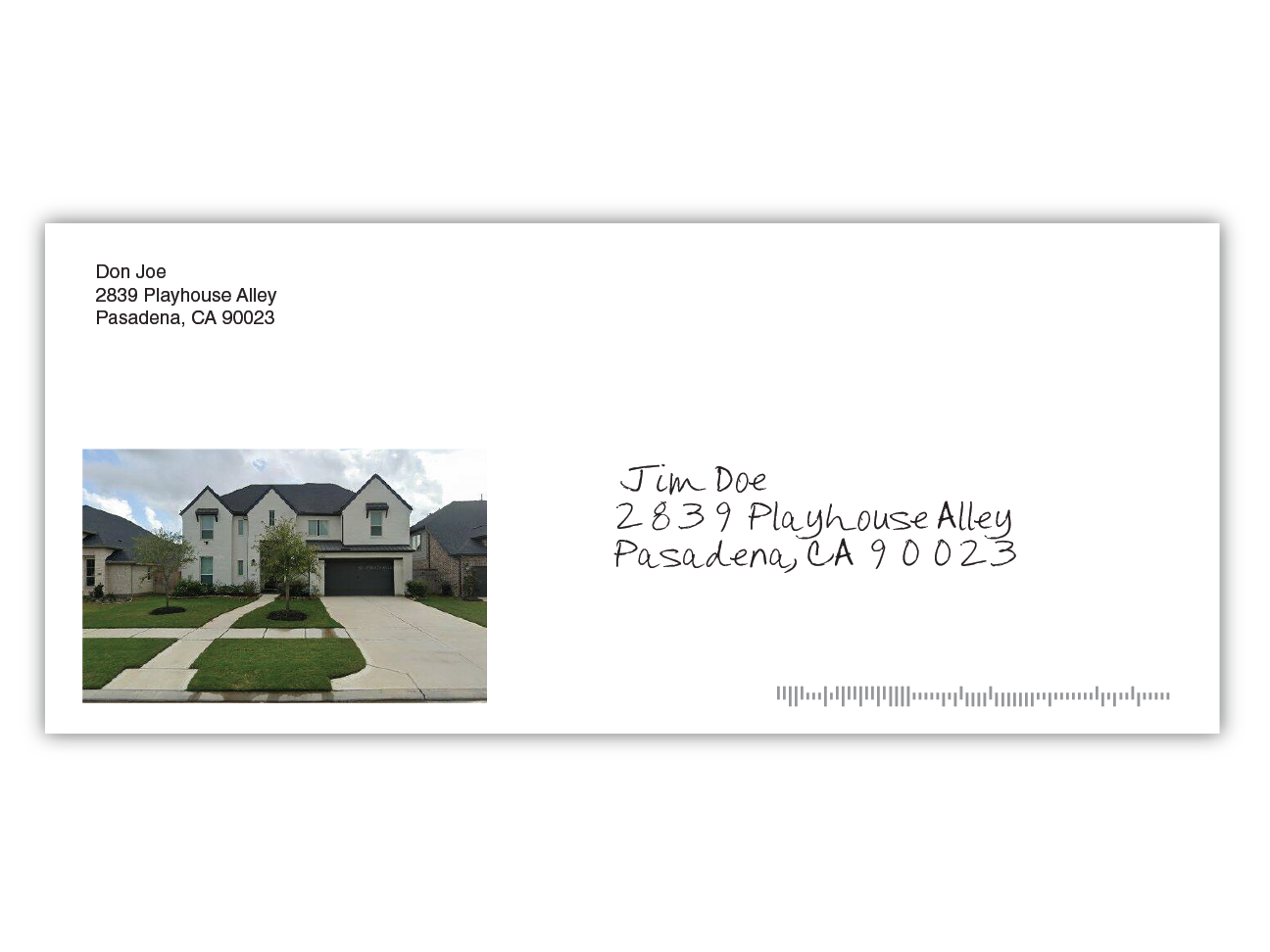
More advanced personalization allows for printed taglines, messages, or calls to action placed on the left side or middle of envelopes. Full bleed color and background imagery can be used when appropriate. Mail merge technology allows data from mailing lists to personalize envelopes at scale.
Contextual personalization uses service area or industry language to signal relevance. When done correctly and compliantly, it reassures recipients that the message fits their world.
Personalization supports campaign response by increasing relevance and supports brand recognition by making the interaction feel intentional. The envelope becomes part of a relationship, not an interruption.
Data quality underpins everything. Misspellings, outdated addresses, and formatting errors destroy trust instantly and waste budget. Clean data is not optional. It is foundational.
Balancing personalization with privacy requires restraint. We want to feel recognized, not watched. Professional tone and clear intent help maintain that balance.
How Direct Mail Envelopes Strengthen Brand Recognition
Brand recognition in direct mail is about recall, familiarity, and consistency. It grows through repetition and coherence, not volume.
Envelopes create repeated exposure without overwhelming recipients. Each mailing reinforces visual and tonal cues that slowly build recognition.
Consistency rules matter. Identity cues should remain stable across mailings. Typography, spacing, color discipline, and layout patterns teach recipients what to expect.
Logo placement and restrained color use can reinforce identity while keeping the envelope credible. Overbranding often looks like advertising and can reduce open rates.
Too much branding can trigger skepticism, especially in professional services. Subtle reinforcement tends to perform better over time.
Consistency compounds. Recognition improves response on future mailings because familiarity reduces friction. Each envelope benefits from the ones that came before.
Targeting and Offer Alignment Starting With the Envelope
Even the strongest envelope fails if the audience is wrong. Targeting and offering alignment must begin before design.
Envelope messaging should align with the recipient's intent. Professional audiences respond to signals of legitimacy, affordability, and reliability.
Language should reassure, not pressure. Calm phrasing invites engagement. Aggressive tone repels it.
Alignment requires coherence. Audience segment, envelope cues, letter promise, and call to action must work together. When these elements match, the experience feels intentional from start to finish.
Testing Direct Mail Envelopes Like a Performance Marketer
We can test envelopes with the same discipline used in digital marketing. A focused A and B approach isolates what truly drives results.
Variables worth testing include teaser copy versus no teaser copy, stamp type, envelope color, personalization style, and return address format.
Sample size and timing matter. Too small a test or overlapping variables create false winners.
Success metrics should include response rate, cost per response, qualified lead rate, and recognition lift across multiple drops. One mailing rarely tells the full story.
Measurement and Tracking Without Losing Trust
Tracking should attribute response without adding friction. Unique phone numbers, short URLs, and dedicated landing pages work when they match the tone of the mailpiece.
QR codes can be useful when used sparingly and placed thoughtfully.
Deliverability basics affect envelope performance. Address standardization and a consistent sender identity protect credibility.
Operational mistakes quietly reduce results. Inconsistent formatting, weak list management, and poor timing undermine even strong creativity.
Conclusion
Direct mail envelopes improve campaign response by earning trust in the first seconds of contact. They improve brand recognition by repeating calm, consistent identity cues that build familiarity over time. When we treat envelopes as strategic assets instead of afterthoughts, response becomes more predictable, and recognition becomes stronger.
For a one-stop way to print, personalize, and mail direct mail envelopes and letters with consistent execution built in, we can explore iti Direct Mail and request support for a campaign designed to increase response while strengthening recognition, quietly, steadily, and with care.
FAQs
What makes direct mail envelopes more likely to get opened?
Envelopes that feel credible, relevant, and intentional reduce automatic rejection and invite curiosity.
Do branded direct mail envelopes help or hurt response rates?
Subtle branding that reinforces identity helps recognition. Heavy branding can lower openings in some audiences.
How much personalization is appropriate on direct mail envelopes?
Enough to signal relevance and care, but not so much that it feels intrusive.
What envelope size works best for professional services campaigns?
Standard sizes often perform well because they feel familiar and trustworthy.
How do we track results from direct mail envelopes without hurting credibility?
Use low-friction tracking methods that align with the overall tone and intent of the mail.
Written by The Letterprinting Team | 2 January, 2026


