The Difference Between Getting Attention and Getting a Response in Direct Mail
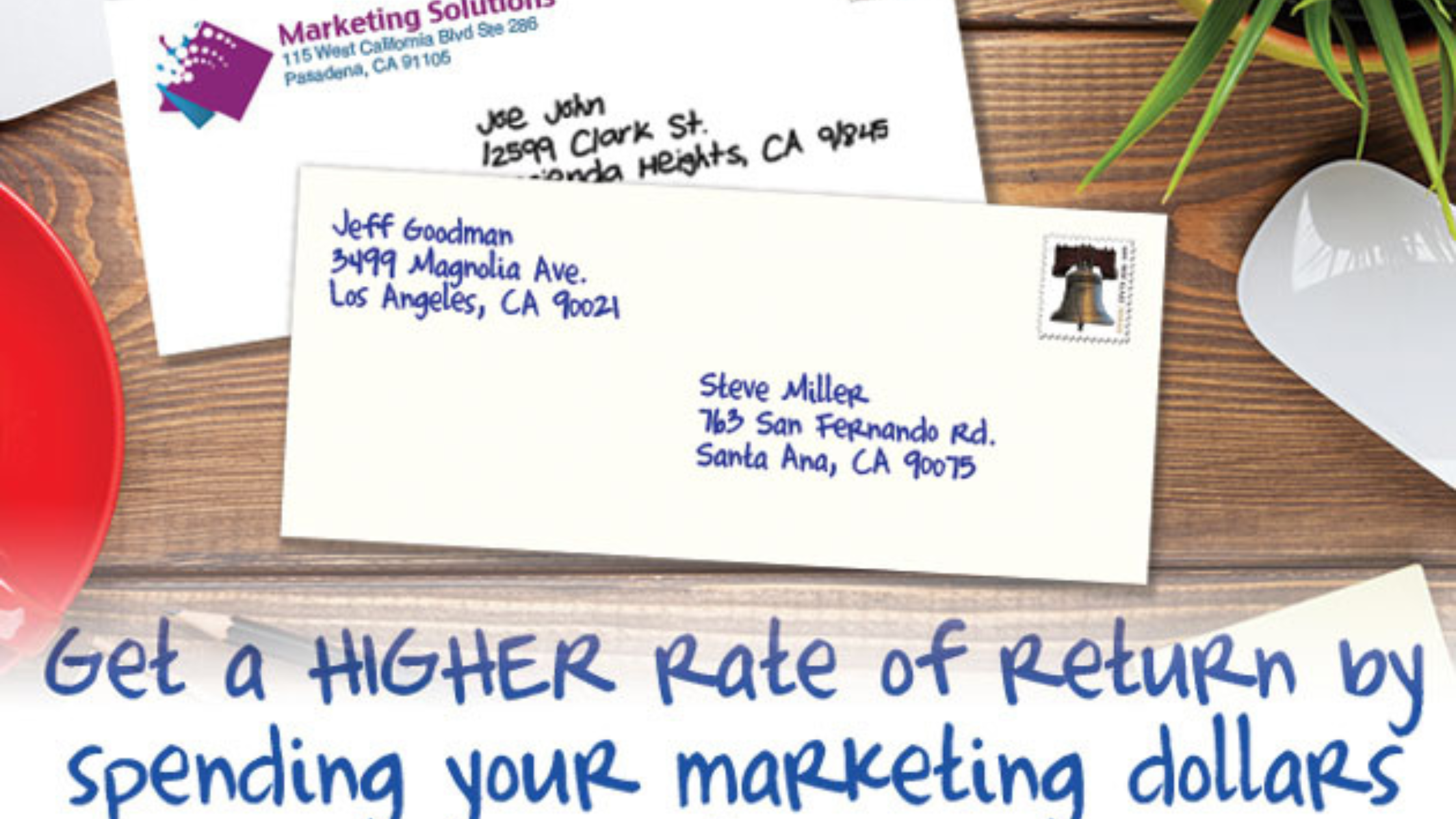
Plenty of mail pieces get noticed. Far fewer get answered. A bold design can stop someone mid-stack, hold their eye for a few seconds, and still leave them with no particular reason to pick up the phone. This is why so many campaigns feel like a success right up until the results come in, and why marketers who measure the wrong thing keep repeating the same expensive mistake. Direct mail response is a fundamentally different problem from attention, and treating them as the same quietly drains budgets everywhere.
The confusion is understandable. Attention is visible and satisfying. You can hold the piece up in a meeting and watch people react. Response is invisible until the calls come in, and by then the money is spent. But only one of those two things pays for the campaign.
Ready to Boost Your Direct Mail Response?
Get professional printing and mailing services tailored to your campaign goals.
Attention Is a Doorway, Not a Destination
Attention buys you seconds. That is the whole of it. When a piece stops someone, all it has earned is a slightly longer look before the same keep-or-toss decision gets made anyway.
Loud design is particularly good at this trick. It gets noticed and forgotten in the same breath, because the thing that made it noticeable had nothing to do with the reader's life. Novelty for its own sake produces a reaction, not a decision. The recipient thinks "huh," and then continues sorting.
The gap becomes obvious when you look at what actually shows up in the results. Impressions do not deposit money. A campaign that everyone remembers and nobody responds to is a campaign that failed, regardless of how it felt to hold. Attention is the doorway. Response is the room you were trying to get into.
Why Attention-Grabbing Mail Often Fails
The failure mode is consistent, and it usually starts with good intentions. Someone decides the piece needs to stand out, and standing out becomes the goal instead of the method.
The clever concept overshadows the offer. The reader spends their attention decoding the creative idea, and by the time they understand it, they have used up the seconds they were willing to give you. What they take away is the concept, not the offer.
The design competes with the message. When every element demands attention, nothing receives it. Contrast only works when most of the piece stays quiet, and a page where everything is emphasized reads as a page where nothing is.
Most damaging of all, the effort goes into being noticed rather than being useful. Those are different projects. A piece that is useful to the reader gets noticed as a side effect, and it also gets answered. A piece built purely to be noticed has to hope the offer survives the trip.
What Makes an Offer Feel Worth Responding To
Response comes from the offer, and specifically from whether the reader can tell in one pass that it is worth something to them. That is a higher bar than most offers, clearly.
The value is obvious in one read. If the reader has to work out what they get, they will not bother. Clever framing that requires decoding is a tax on the very thing you want them to understand.
It matches a problem they actually have. Relevance is not decoration; it is the entire mechanism. An excellent offer aimed at the wrong situation is a bad offer.
The value clearly outweighs the effort. Every response costs the reader something, a phone call, a trip, a form. If the reward does not visibly exceed that cost, the math fails, and they move on.
Specific beats are vague every time. Real numbers, real terms, and real timeframes read as true. Vague generosity reads as a catch the reader has not found yet.
There is a reason to act now. Without one, the piece goes on the counter pile, which is where good intentions go to die. A deadline or a limited window converts intent into action while the reader is still holding the piece.
Our breakdown of how to write direct mail letter copy that wins sales goes deeper into framing an offer so the value lands immediately.
The Gap Between Interested and Acting
There is a stretch between a reader deciding they are interested and a reader actually doing something, and most campaigns lose people right there.
Interest fades fast once the piece leaves someone's hand. The moment it goes on a counter, into a drawer, or under a stack of school papers, the odds collapse. Whatever momentum the reader had is gone by evening.
Friction in the response step kills otherwise willing prospects. A number that requires a search, a URL too long to type accurately, a form asking for information the reader does not want to give, all of these turn a yes into a maybe and a maybe into nothing.
Options make it worse, which surprises people. Offering three ways to respond feels generous, but a choice is a decision, and decisions cost energy the reader did not plan to spend. One clear next step converts better than three good ones, every time.
How to Build for Response From the Start
The fix is structural, and it happens before anyone opens a design file.
Decide on the single action you want first. Not the theme, not the look, the action. Everything downstream exists to produce that one behavior.
Work backward from the action to the offer, and from the offer to the copy and the design. When the sequence runs in that order, the creative decisions have a standard to meet. When it runs the other way, the creative decides what the campaign is about, and the offer gets whatever room is left.
Test one variable at a time. Change the envelope or the offer or the ask, but not all three, or you will learn that something worked without learning what. Small, disciplined tests compound into a house style that reliably outperforms.
And track everything. Give the campaign a dedicated phone number, a unique code, or its own landing page so responses tie back to the mailing. Working with a partner who offers direct mail consulting can help structure this from the start. Without tracking, attention will keep getting mistaken for results, and the campaign that felt best will keep getting repeated regardless of whether it earned anything.
Conclusion
Direct mail response comes from relevance and a reason to act, not from being the loudest piece in the stack. Attention opens the door, but a clear, valuable offer with an easy next step is what brings people through it. Decide the action first, build the offer around it, remove every bit of friction between interest and response, and measure what actually happened. Build for the response, and the attention takes care of itself.
About LetterPrinting.net:LetterPrinting.net works with small and mid-size businesses that need mail campaigns to produce real returns, not just impressions. The team handles direct mail marketing from printing through mailing and list support in one place, at pricing that fits a working marketing budget. Call 866-558-6365 or visit LetterPrinting.net to talk through your next campaign.
Frequently Asked Questions
What is a good response rate for direct mail?
It varies widely by industry, offer, and list quality, so the number that matters is your own baseline compared to your cost per acquisition. A campaign is working when the revenue per piece exceeds the cost per piece, regardless of how the percentage compares to averages.
Why does my direct mail get noticed but not answered?
Usually because the piece was built to stand out rather than to be useful. If the design or the concept gets more attention than the offer, readers remember the mailer and forget what they were supposed to do.
What makes a direct mail offer worth responding to?
Clear value the reader can grasp in one pass, relevance to a problem they actually have, terms specific enough to feel real, and a reason to act before the piece leaves their hand.
Should direct mail have more than one call to action?
One action works better than several. Multiple options force the reader to decide before they can act, and that extra step costs responses even when every option is good.
How do I measure direct mail response accurately?
Give each campaign its own tracking mechanism, such as a dedicated phone number, a unique promo code, or a specific landing page, so every reply can be traced back to the mailing that produced it.
Written by The Letterprinting Team | 13 July, 2026


