How Real Estate Agent Postcards Still Drive High-Impact Local Lead Generation
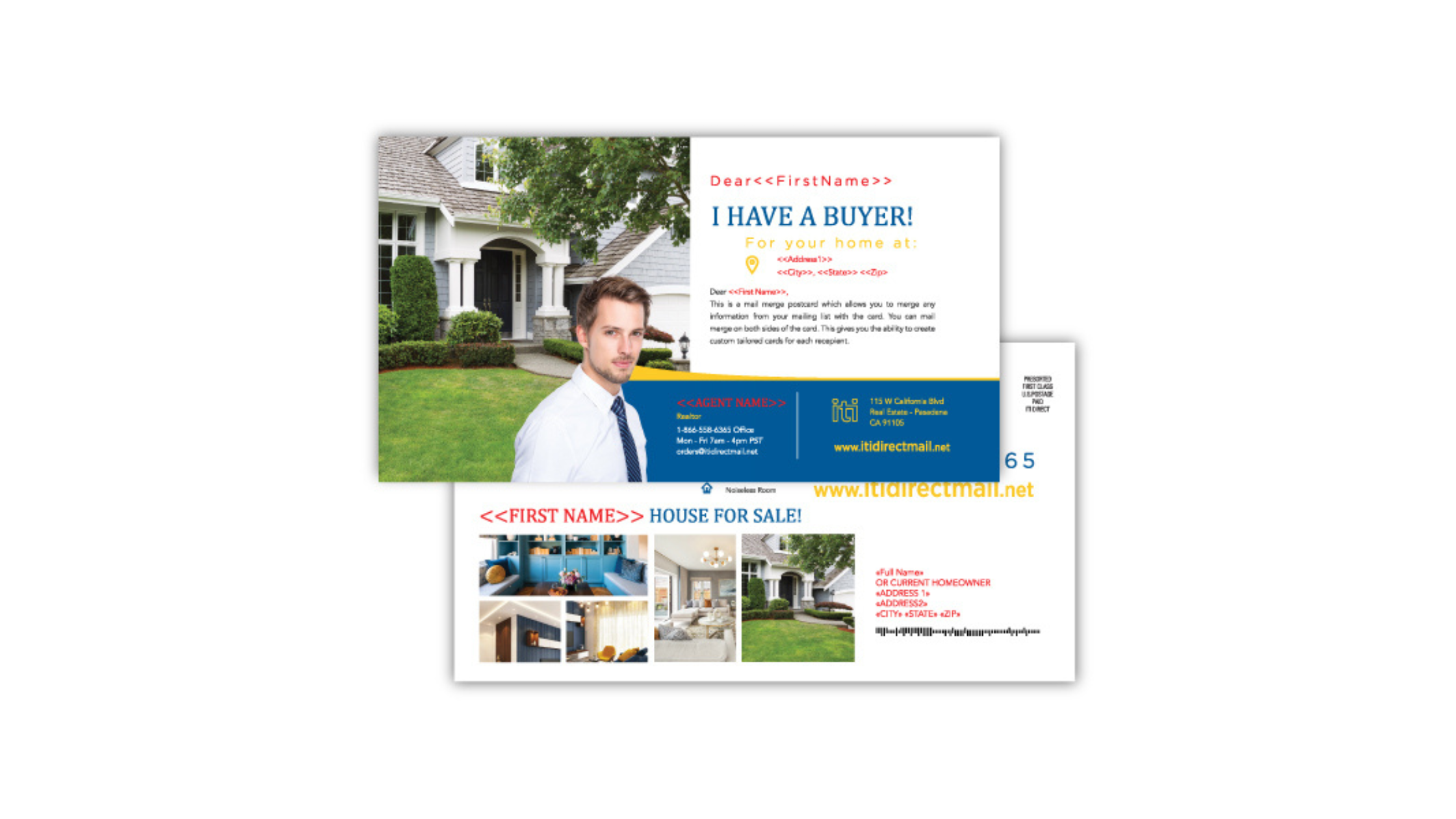
“The Old-School Tactic That Still Wins in a Digital Age”
In a world filled with digital ads, Real Estate Agent Postcards are still one of the best ways to connect with local homeowners. It may surprise some, but even in this digital era, physical mail often works better than many online marketing strategies, especially for real estate professionals who rely on local visibility and trust.
Real estate is a relationship-driven business. Technology helps us reach larger audiences, but personal connections close deals. A well-designed postcard puts your name, face, and message directly into the hands of potential clients, with no clicks needed.
Postcards are simple, tangible, and direct. They create instant recognition in neighborhoods, helping agents stay top of mind when homeowners decide to buy or sell.
Ready to Boost Your Direct Mail Response?
Get professional printing and mailing services tailored to your campaign goals.
The Psychology Behind Real Estate Postcards
A Tangible Touchpoint in a Digital World
Unlike digital ads that disappear after a scroll, postcards serve as physical reminders that last. Homeowners can pin them to a fridge, leave them on a counter, or revisit them later. This physical connection builds familiarity that online ads cannot match.
The Power of Familiarity
When people see your name and face regularly in their mailbox, they begin to feel like they know you already. Over time, consistent exposure builds name recognition and trust, two essential elements in local real estate success.
Emotional Connection
Homeowners are more likely to trust agents they see often. A postcard featuring your photo, logo, or friendly message conveys reliability and approachability. That small detail can turn a cold lead into a warm conversation.
Why Postcards Still Deliver Strong Local ROI
Direct mail remains effective because it is targeted and cost-efficient. You can select specific zip codes and neighborhoods giving you precise control over your audience.
Tracking success is simpler than ever. By monitoring calls, QR code scans, or web traffic linked to each campaign, you can see how many leads your mailers generate.
Adding modern features like QR codes, short URLs, and social media handles turns traditional postcards into interactive tools. These invite homeowners to connect immediately while maintaining the local feel.
Case Study Example:
One local agent sent postcards every month to three nearby communities. Within six months, they became the go-to name in those neighborhoods, handling multiple listings simply because their face and message were familiar.
Designing Postcards That Convert
Make It Memorable
Use bright visuals, neighborhood photos, or success stories that showcase your expertise and results.
Focus on Value
Share helpful tips about home maintenance, current market trends, or upcoming open houses. Providing value builds credibility.
Clarity and CTA
Keep the message short, clear, and actionable. Simple lines like "Call today for a free home value estimate" still generate strong responses.
Personal Branding
Maintain consistency with your colors, logo, and tone across every postcard. Repetition strengthens your professional identity.
Smart Targeting: Reaching the Right Neighborhoods
Smart targeting ensures your postcards reach the right people. By using property data and local records, you can identify homeowners who may be looking to sell or buy soon.
Farming Strategies
Consistent postcard mailings within the same area help you build long-term recognition. Homeowners begin to associate your name with the neighborhood's success.
Personalization at Scale
With modern printing, you can customize postcards with names, addresses, or even local statistics. That small detail makes your message feel personal and leads to better engagement.
The Modern Twist: Pairing Postcards with Digital Marketing
The most effective campaigns today mix print with digital. Linking Real Estate Agent Postcards with Google Ads, Facebook campaigns, or email marketing amplifies your message.
You can use QR codes or short links that direct recipients to property listings, videos, or your agent website. Retargeting pixels even allow you to show online ads to people who engage with your mailer.
This blend of offline and online marketing creates a consistent experience for potential clients, building trust and improving conversions.
What to Include on Every High-Performing Postcard
A great postcard balances creativity with clarity. Here's a quick checklist to ensure yours meets every requirement:
- Your name, brand, and contact info should be clearly visible
- High-quality, lifestyle-driven images of homes or neighborhoods
- A message that speaks directly to your local audience
- A strong call-to-action: "Call, visit, or scan to learn more"
- Social proof such as testimonials, reviews, or recently sold homes
Each detail builds your credibility and recognition in your target area.
Tracking Success and Measuring ROI
To make your efforts truly effective, you need to measure results.
Set Clear Metrics:
Track how many calls, form submissions, QR scans, or appointments each campaign generates.
Use Tracking Tools:
Dedicated phone numbers and custom landing pages make it easy to see where your leads come from.
Optimize Over Time:
Review your campaign data to identify what works, maybe it’s a particular design, neighborhood, or message. Refine and repeat the approaches that succeed.
Common Mistakes to Avoid
Even a good postcard can fall flat if a few basics are ignored. Avoid these common mistakes:
- Too Much Information: Keep messages short and focused.
- One-Off Campaigns: Consistency matters more than volume. One mailing won’t create recognition; regular contact will.
- Ignoring Timing: Schedule campaigns around local events or seasonal market changes.
- No Clear CTA: Always tell your audience exactly what to do next.
- Brand Inconsistency: Align your postcard design with your digital presence for a cohesive image.
The Future of Real Estate Postcards
Postcards are evolving alongside modern technology. Agents now have access to:
Sustainable Printing: Using eco-friendly materials and recyclable mailers.
AI-Driven Targeting: Predictive analytics to identify motivated sellers or high-value prospects.
Smart Tracking: Integrated QR codes and data dashboards for real-time results.
Despite these advancements, the core value of postcards remains unchanged; they represent a handshake through the mailbox, a local connection that digital ads cannot replicate.
Conclusion: The Timeless Power of Tangibility
Even as marketing tools change, the impact of Real Estate Agent Postcards remains strong. They combine familiarity, trust, and local presence in one simple piece of mail.
In an industry built on personal connections, postcards remind homeowners that you’re part of their community and someone they can trust with one of their most important decisions.
The most successful agents today mix print and digital outreach, creating campaigns that feel both modern and personal. When your message arrives in the mailbox week after week, your brand not only reaches people but also stays with them.
FAQs
1. Do real estate postcards still work in 2025?
Yes, absolutely. Despite the rise of digital marketing, physical mail continues to achieve higher engagement rates, especially for local campaigns.
2. How often should agents mail postcards?
Consistency is key. Monthly or bi-monthly mailings help build brand recognition and keep you top of mind when homeowners are ready to sell or buy.
3. What’s the best postcard size for real estate marketing?
Standard 6x9 postcards work well for most campaigns, providing enough space for visuals and key messages without feeling crowded.
4. How can I track postcard performance?
Use QR codes, unique URLs, or call tracking numbers to monitor responses and effectively measure ROI.
5. Ready to elevate your local visibility?
Let’s help you create a postcard campaign that gets your listings noticed and your phone ringing with LetterPrinting.net.
Written by The Letterprinting Team | 6 October, 2025


