The Future of Real Estate Direct Mail: Combining Personalization with Automation
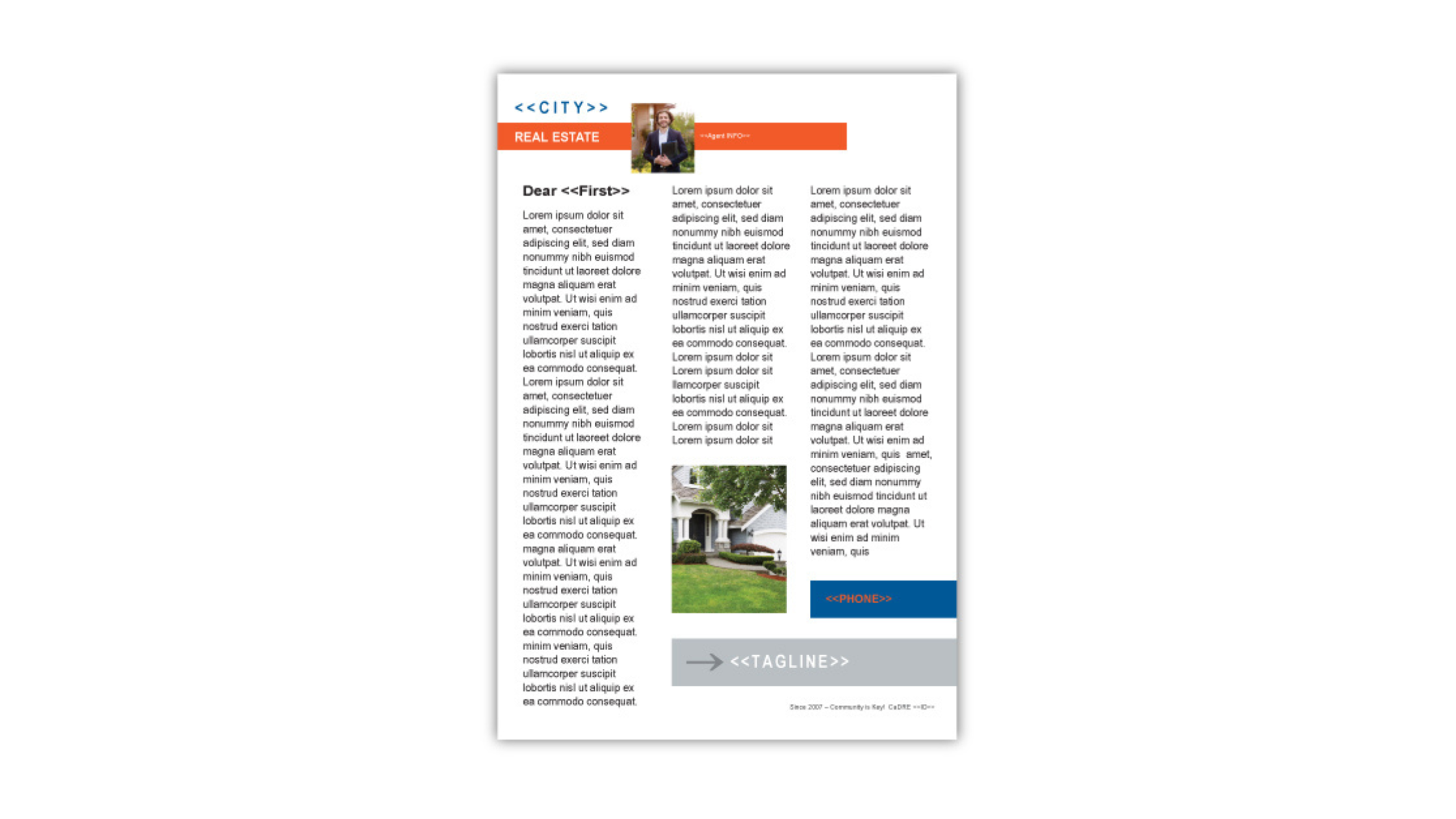
“Where Classic Marketing Meets Modern Innovation”
In today's world, digital ads and social media compete for attention. Yet, Real Estate Direct Mail is making a strong comeback. Once seen as an "old-school" tactic, direct mail has transformed into a modern powerhouse, combining personal touch with smart technology.
The reason is straightforward. Today’s top real estate marketers know that the future is all about personalization at scale. With the right tools, we can send letters and postcards that feel hand-made while ensuring efficient delivery through automation.
This blended approach helps real estate professionals stand out in a crowded digital world. When an email goes unread or a social media ad gets overlooked, a personalized letter in the mailbox catches attention and, more importantly, it gets remembered.
Why Direct Mail Still Matters in a Digital World?
Tactile Trust
There’s something special about holding a piece of mail. Physical marketing creates emotional credibility because it feels real and intentional. In real estate, where decisions involve significant life changes, that trust is powerful.
Less Competition, More Attention
While inboxes are overflowing daily, mailboxes are lighter than ever. This means your message has more room to make an impression. Homeowners who might ignore digital ads are more likely to open a letter that seems personal.
Proven Performance
Recent studies show that Real Estate Direct Mail achieves strong open and response rates. Whether it’s postcards, letters, or flyers, physical mail consistently outperforms many digital channels in engagement.
Real estate has always been about people, not just properties. Direct mail connects technology with genuine human interaction, something no algorithm can replicate.
Ready to Boost Your Direct Mail Response?
Get professional printing and mailing services tailored to your campaign goals.
The Evolution of Real Estate Direct Mail
Past: The Handwritten Era
It all began with handwritten letters and postcards, simple, heartfelt messages sent directly to homeowners. This stage focused solely on personal connection.
Present: The Data-Driven Shift
Today, direct mail uses data and automation. We can target homeowners by location, property type, or ownership status, making sure every message is timely and relevant.
Future: Predictive and Smart
The next chapter of Real Estate Direct Mail will be driven by AI, smart CRMs, and behavioral insights. Campaigns will adjust based on homeowner behavior, delivering the right message at the right time while maintaining that personal warmth.
The Power of Personalization: Making Every Mailer Feel Local
The key to a successful direct mail campaign is personalization. When a letter feels like it’s just for you, it naturally draws attention.
Use Local Market Data: Mention neighborhoods, nearby schools, or local landmarks to show you know the community.
Address Recipients by Name: A simple “Hi John,” instead of “Dear Homeowner,” creates an immediate connection.
Tailor Messages: A seller, investor, or first-time buyer has unique needs. Adjust your tone and offers accordingly.
Authenticity matters more than polish: Homeowners respond to mail that feels genuine, relevant, and locally grounded.
Automation: Scaling Without Losing the Human Element
Automation doesn’t mean losing the human touch. It means doing more, faster, and smarter.
Modern tools allow real estate agents and investors to send hundreds of personalized letters and postcards directly from their CRM systems. Automation handles delivery and scheduling, while personalization keeps the message warm and sincere.
Smart Scheduling: Send “Just Listed,” “Just Sold,” or “Market Update” mailers at the right time.
Automated Follow-Ups: Schedule reminders or thank-you notes after open house events.
Consistent Branding: Keep your style, tone, and design uniform across all mailers.
The magic lies in balance, using automation for efficiency while keeping the tone personal.
Combining Data, Design, and Delivery for Maximum Impact
Data Precision
Effective targeting starts with clean, up-to-date data. Predictive analytics help identify homeowners likely to sell or buy soon, improving return on investment.
Smart Design
Templates can seem custom when designed thoughtfully. Focus on clarity, professional simplicity, and brand consistency.
Multi-Channel Integration
Direct mail works best when combined with digital efforts. Pair it with email, Google Ads, or retargeting to stay visible everywhere.
Example:
A real estate team used automated postcards followed by retargeting ads within the same zip code. The result? Increased recall and higher engagement from homeowners who saw the message both offline and online.
Tech Meets Touch: The Rise of Hybrid Direct Mail Campaigns
Future strategies will blend print and digital seamlessly.
With QR codes, personalized URLs, or scannable contact cards, real estate agents can lead homeowners from physical mail to online listings or lead forms instantly. Automation tools can now track scans, visits, and calls, allowing us to measure exactly how many people respond.
A postcard can now do more than inform; it can generate leads, trigger follow-ups, and even start a digital conversation. This connection between offline and online improves brand recall and strengthens client relationships.
Success Metrics: How to Track and Optimize Automated Mail Campaigns
To make informed decisions, you need clear data. Focus on these key performance indicators:
- Response Rate: How many recipients engaged with your mailer?
- Conversion Rate: How many responses became appointments or sales?
- Cost Per Lead: What are you spending to gain each opportunity?
Tools like call tracking numbers, QR codes, and unique URLs help measure performance accurately.
Automation platforms also simplify analyzing results and improving campaigns over time. Real-world trends indicate that consistent monthly mailings perform better than single drops, proving that repetition builds recognition.
Common Pitfalls to Avoid
Even with great tools, success depends on careful execution. Keep an eye out for:
- Over-Automation: Avoid sounding robotic by retaining a human voice.
- Outdated Data: Sending mail to incorrect addresses wastes time and money.
- Weak Design or Copy: Poor presentation can weaken your message.
- Disconnected Branding: Maintain alignment between your print tone and online presence.
Avoiding these mistakes ensures your Real Estate Direct Mail campaign feels professional, personal, and trustworthy.
The Future Outlook: Smart, Sustainable, and Scalable
The next era of direct mail blends innovation with intention.
AI-Powered Personalization: Campaigns will adjust in real time based on homeowner behavior and engagement patterns.
Hyperlocal Customization: Automation will soon enable real-time targeting based on local trends or recent sales data.
Smart Triggers: Imagine a letter sent automatically after a homeowner visits your website — that’s the new frontier.
This evolution keeps direct mail modern, responsible, and effective.
Conclusion: Building Meaningful Connections at Scale
Direct mail has come full circle, evolving from handwritten letters to AI-driven personalization. Today, technology allows us to maintain a human touch while extending our reach.
When automation supports personalization, marketing becomes powerful, efficient, and heartfelt. The future of Real Estate Direct Mail focuses on combining data-driven precision with authentic connection.
Ultimately, it’s not just about sending mail. It’s about creating meaningful connections that remind people there’s a real person behind every message.
FAQs
1. How does automated direct mail work for real estate?
Automation tools connect to your CRM to send personalized letters and postcards automatically based on triggers like listings or property changes.
2. What’s the difference between personalized and generic direct mail?
Personalized mail includes the recipient’s name, property, or neighborhood, while generic mail uses the same message for everyone. Personalized mail performs better.
3. How do I measure the ROI of direct mail campaigns?
Use call tracking, QR codes, and custom URLs to track responses. Comparing total leads to campaign costs helps clearly calculate ROI.
4. Can automated direct mail integrate with my CRM or online ads?
Yes, most modern systems work well with CRM platforms and digital ad networks to create coordinated marketing efforts.
Written by The Letterprinting Team | 20 October, 2025


