What Is Short Run Booklet Printing and Who Needs It?
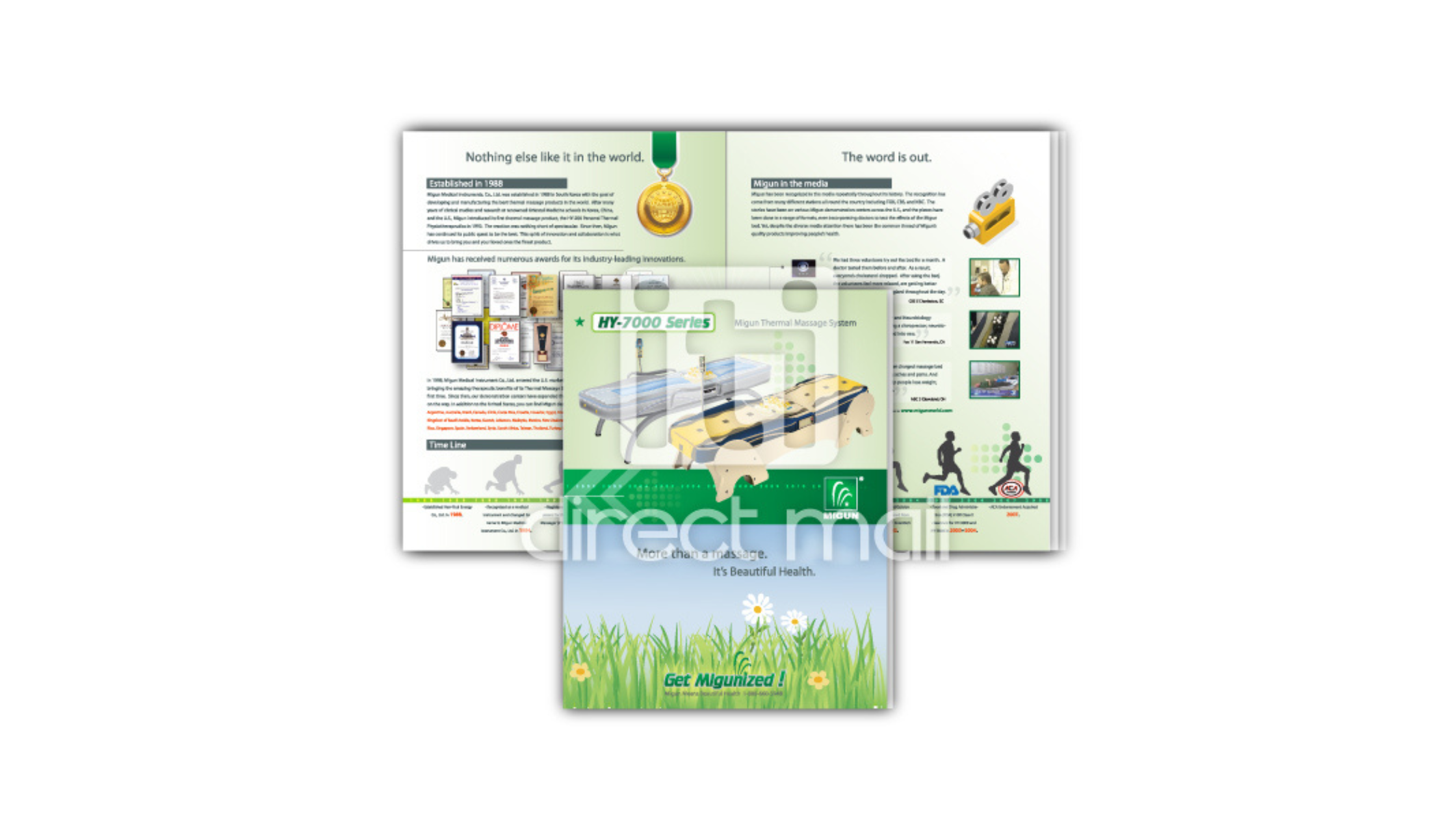
Not every business needs thousands of copies of the same booklet. Sometimes the smarter move is a smaller batch that can be updated, reprinted, or adjusted without the waste and expense of a massive print run. Short run booklet printing exists for exactly that situation, giving businesses a way to produce professional, bound materials without committing to a large minimum order.
Understanding what short run booklet printing is, and who benefits from it, can help you decide whether it fits your next project, whether that is a seasonal catalog, an event program, or a product guide that changes more often than a traditional print run allows. This post covers what short run printing actually means, how it compares to traditional booklet printing, and the types of businesses that get the most value from it.
What Short Run Booklet Printing Actually Means
Short run booklet printing refers to producing booklets in smaller quantities than what traditional offset printing typically requires. Where offset printing often needs a minimum order in the thousands to be cost-effective, short run printing uses digital printing technology to make smaller batches, sometimes as few as fifty or a hundred copies, financially practical.
This shift is possible because digital printing does not require the same setup process as offset printing, which involves creating plates for each print run. Digital printing allows a business to print exactly what it needs, whether that is a small batch for a local event or a few hundred copies for a seasonal catalog, without paying for or storing excess inventory. The finished product still offers the same professional look and feel as a larger print run, from paper stock to binding options.
Ready to Boost Your Direct Mail Response?
Get professional printing and mailing services tailored to your campaign goals.
How It Differs From Traditional Booklet Printing
The most noticeable difference between short run and traditional booklet printing comes down to setup costs and turnaround time. Traditional offset printing requires more preparation before the first booklet comes off the press, which makes it more efficient at very high volumes but less practical for smaller orders. Short run printing skips much of that setup, which often means a faster turnaround for smaller quantities.
Flexibility is another major difference. Because short run printing does not require committing to thousands of copies at once, businesses can update content between print runs without wasting unused inventory from an outdated version. This matters for anything that changes seasonally or frequently, such as pricing, service offerings, or event details.
Cost per unit is where the tradeoff becomes clear. At very high volumes, offset printing typically costs less per copy. At lower volumes, short run digital printing tends to be more cost-effective overall, since it avoids the setup costs and excess inventory that make small offset runs expensive per copy.
Who Benefits Most From Short Run Printing
Several types of businesses and organizations benefit from short run booklet printing more than others. Small businesses testing a new catalog or menu can use a short run to gauge customer response before committing to a larger order, reducing the risk of investing heavily in a design that has not been validated yet.
Real estate agents and property managers producing seasonal guides, such as neighborhood overviews or building amenity booklets, benefit from the ability to update content regularly without wasting old inventory. Event organizers with small or changing audiences, such as conference programs or workshop materials, also find short-run printing practical, since attendee counts and agendas often shift close to the event date.
Nonprofits creating limited edition materials, such as annual reports or fundraising booklets tied to a specific campaign, are another group that benefits from short run printing. These materials often need a polished, professional look for a relatively small audience, making short-run printing a better fit than a large offset order.
What to Consider Before Ordering
Format and Binding
Before placing a short run booklet order, a few practical decisions shape the final product. Binding style is one of the first choices to make, with saddle stitch binding working well for thinner booklets and perfect binding better suited to thicker, more substantial pieces with a spine. The right choice depends on both the page count and the look the business wants to achieve.
Paper stock and cover weight also affect both the feel and durability of the finished booklet. A heavier cover stock gives a more premium impression, while lighter interior pages keep the booklet easier to handle for longer documents. Page count itself plays a role in pricing and binding options, since certain binding styles work better within specific page ranges.
Ordering the Right Quantity
Deciding how many copies to order for a short run is a balance between having enough on hand and avoiding unnecessary excess. A business new to a particular booklet, such as a first-time neighborhood guide or an untested product catalog, may want to start closer to the lower end of a short run range to see how the material performs before printing more.
Businesses with a predictable, recurring need, such as a monthly amenity booklet for a property or a seasonal service guide, can often estimate quantity more confidently based on past distribution. Even in these cases, ordering slightly more than the immediate need covers minor damage during handling or distribution, and leaves a small buffer for unexpected requests without triggering a full reprint.
Making the Most of a Short Run Order
Short run printing offers advantages beyond just smaller minimums. Businesses can use a short run to test content or design choices before committing to a larger print run, catching any issues with layout, messaging, or even factual details before scaling up. This testing phase can save significant money and prevent the need to discard an entire large batch due to an error found after the fact.
Updating booklets seasonally without waste is another advantage, particularly for businesses whose offerings or details change throughout the year. Rather than printing a large batch that becomes outdated, short run printing allows for regular updates that keep materials current. Businesses producing recurring materials like catalogs often rely on this flexibility to keep content accurate season after season. Keeping print quality consistent between short runs also matters, which is where working with an experienced printer becomes valuable, since consistent color, paper, and binding across multiple smaller orders helps maintain a professional, unified look over time.
Planning for Future Print Runs
Choosing short run printing does not mean a business has to stay small forever. Many businesses use a short run as a starting point, testing a booklet with a limited audience before deciding whether it makes sense to move to a larger offset run down the line. Keeping design files organized and saving a record of what worked well in a short run makes that transition much easier if volume needs grow.
It also helps to think about how a booklet will be distributed when planning a short run order. A booklet handed out at a single event has different quantity needs than one mailed to a list of prospects or displayed at multiple retail locations. Estimating distribution accurately before ordering prevents both running out of copies too early and overordering material that ends up unused.
Working with a printer that understands the specific demands of short runs, rather than treating every order the same way a large offset job would be treated, tends to produce a smoother process overall. From file setup to proofing to final delivery, a printer experienced with smaller batches can flag potential issues earlier and help a business avoid costly reprints.
Conclusion
Short run booklet printing gives businesses and organizations professional, bound materials without the cost and commitment of a large minimum order. Whether the goal is testing a new catalog, updating seasonal content, or producing materials for a smaller audience, short run booklet printing offers a practical, flexible option whenever content changes often or volume needs stay modest.
LetterPrinting.net offers short run booklet printing with flexible quantities, a range of binding and paper options, and a complete one-stop printing and mailing process for small and mid-size businesses. Whether you need fifty copies or a few hundred, the team helps ensure consistent quality across every order. Call 866-558-6365 or visit the contact page to request a quote for your next booklet project.
FAQs
What is considered a short run in booklet printing?
Short runs typically refer to quantities ranging from around fifty to a few hundred copies, though the exact threshold can vary depending on the printer and the specific booklet specifications.
Is short run booklet printing more expensive per copy?
At very high volumes, traditional offset printing usually costs less per copy, but at lower volumes, short run digital printing tends to be more cost-effective overall since it avoids setup costs and excess inventory.
Can I reorder the same booklet later?
Yes, most short-run printing setups allow files to be saved and reordered later, making it easy to reprint a booklet as needed without redesigning it from scratch.
What binding options work best for small booklets?
Saddle stitch binding tends to work well for thinner booklets, while perfect binding suits thicker booklets that need a spine, with the right choice depending on page count and desired appearance.
How long does short run booklet printing take?
Turnaround time varies by order, but short run printing generally moves faster than large offset runs since it requires less setup before printing begins.
Written by The Letterprinting Team | 17 August, 2026


