How Variable Printing Personalizes Marketing Materials for Higher Conversion Rates
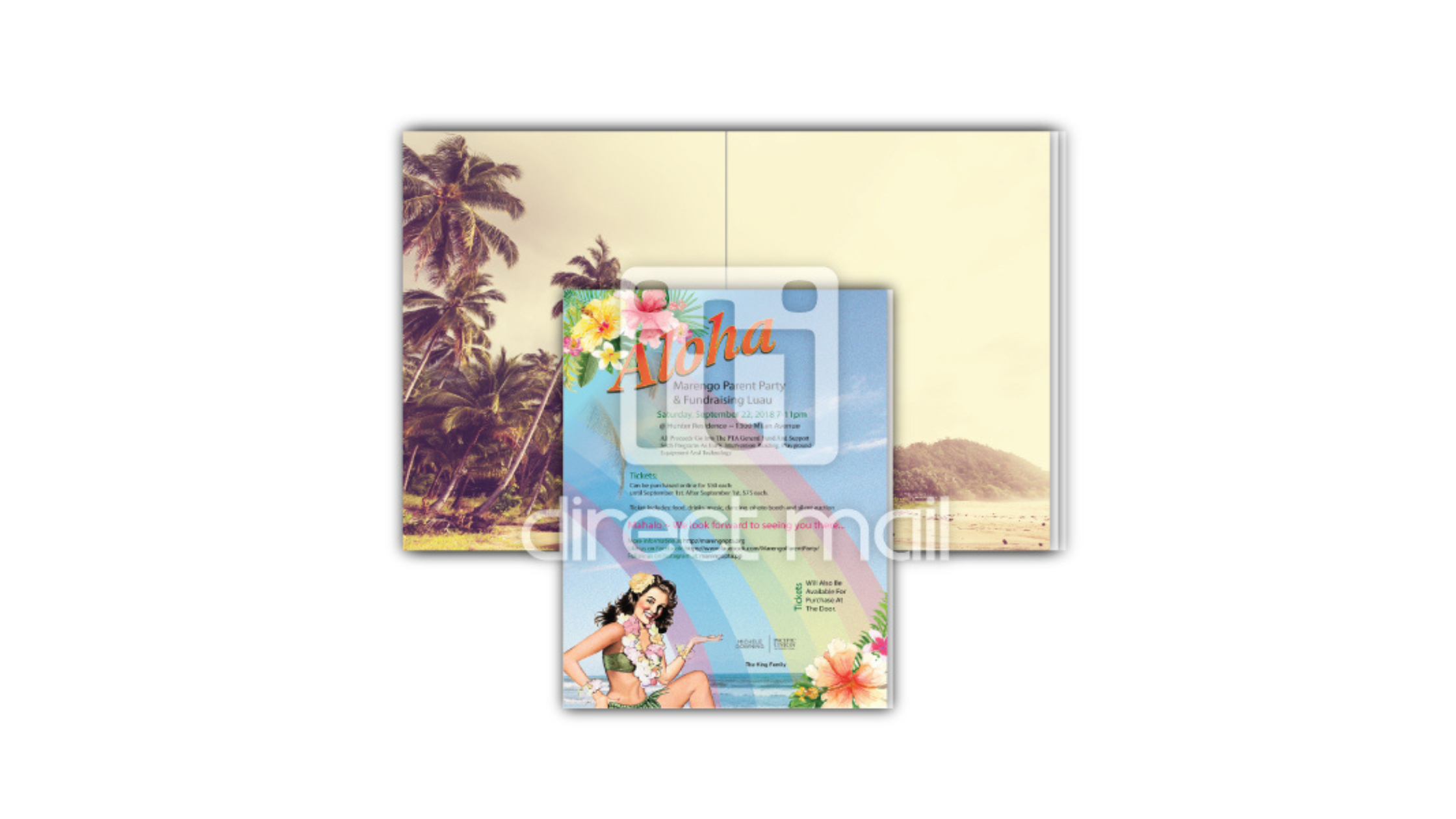
There is a moment, often overlooked, when a marketing piece stops feeling like marketing and starts feeling like communication. It happens quietly. We recognize ourselves in the message. We sense effort. We feel considered rather than targeted. This is where variable printing does its most meaningful work. It personalizes marketing materials not by shouting louder, but by speaking more clearly, and that clarity is what leads to higher conversion rates.
When we work in crowded channels, whether physical mail or informational handouts, attention is not earned through volume. It is earned through relevance. Variable printing allows us to adapt messages at scale while preserving structure, accuracy, and professionalism. The result is not novelty. It resonates. When personalization feels intentional and restrained, it builds trust rather than suspicion, which is the true foundation of conversion.
What Variable Printing Is and Why It Matters
At its foundation, variable printing is a production method that allows specific elements of a printed piece to change from one copy to the next within a single print run. Text blocks, images, headlines, offers, and layout sections can shift based on data, while the overall design framework remains consistent.
This matters because generic messages are easy to dismiss. When a piece looks obviously mass-produced, we instinctively disengage. Variable printing interrupts that instinct by signaling relevance early. It reduces the internal response of this is not for me, which is one of the biggest barriers to action.
In practical terms, variable printing connects directly to higher conversion rates by lowering friction. When readers see language that reflects their situation, location, or needs, they read more carefully. When the message aligns with expectations, the next step feels reasonable instead of risky.
Ready to Boost Your Direct Mail Response?
Get professional printing and mailing services tailored to your campaign goals.
How People Respond to Personalized Marketing Materials
Personalization works because it mirrors human interaction. When someone uses our name correctly or acknowledges our context, we listen differently. In printed marketing materials, that same psychology applies.
Recognition creates comfort. Perceived effort creates credibility. Together, they create trust. However, personalization only works when it feels appropriate. Overly familiar language or excessive personal detail can quickly feel invasive and cause resistance.
The most effective personalized materials feel helpful, not clever. They demonstrate awareness without crossing boundaries. When personalization is subtle and relevant, it increases open rates, extends reading time, and raises the likelihood of follow-through.
First impressions matter. Personalized elements placed early, such as in the opening lines or on the envelope, shape how the entire piece is perceived. When relevance is clear from the start, engagement increases naturally.
What We Can Personalize With Variable Printing
Variable printing allows far more flexibility than simply changing names. While name and company personalization are foundational, they are only the beginning.
Service area references help ground the message geographically. Role-based language aligns tone with responsibility and expectations. Offers and calls to action can shift based on audience intent, making the next step feel appropriate instead of generic.
Visual elements can also vary. Images may reflect industry context or local cues that feel natural rather than forced. Layout modules can change by segment, allowing different benefit groupings or frequently asked questions to appear without redesigning the entire piece.
Restraint remains essential. Personalization should clarify the message, not overwhelm it. When too many elements change at once, credibility suffers. When used thoughtfully, variable printing strengthens focus and trust.
Variable Printing for Direct Mail, Letters, and Envelopes
Variable printing is especially effective in direct mail because physical attention is limited and decisions are made quickly. Mail-merge letters are a high-impact use case. Introductions can reflect relevant challenges. Problem statements can mirror common concerns. Proof points can be selected to match what matters most to the recipient.
Envelope personalization plays a critical role in whether the mail is opened. Correct addressee formatting, consistent return identity, and clean presentation signal legitimacy. Subtle cues make the piece feel safe to open rather than promotional.
For small and mid-size teams, variable printing eliminates the need for complex in-house workflows. Campaigns remain targeted and professional without adding operational strain, making personalization sustainable rather than overwhelming.
Audience Segmentation That Makes Personalization Convert
Variable printing is only as effective as the segmentation behind it. Segmentation does not need to be complex to work. It needs to be accurate and meaningful.
Geographic segmentation allows messaging to reflect service area relevance. Industry segmentation aligns language with shared challenges. Lifecycle segmentation differentiates new leads, existing contacts, and past clients. Intent-based segmentation reflects prior inquiries, services, or content engagement.
Each segment should connect to a clear promise and a single next step. When segmentation is thoughtful, personalization feels natural. When segmentation is weak, personalization feels automated and hollow.
Offer Matching, Messaging, and Feeling Safe
Conversion depends heavily on perceived risk. Variable printing helps reduce that risk by aligning offers with expectations.
Language choices matter. Calm, informative wording feels legitimate and reliable. Aggressive urgency, exaggerated claims, or manipulative tactics create distrust and cause materials to be discarded. Variable printing allows benefits, proof points, and objections to be adjusted by segment without changing the core message.
The goal is to make the reader feel understood, not pressured. When the message matches their reality, taking action feels safer and more logical.
Data Quality, List Hygiene, and Accuracy Controls
Variable printing magnifies data issues. When data is incomplete, outdated, or inconsistent, personalization becomes a liability rather than an advantage. Misspellings, incorrect addresses, and broken fields damage credibility instantly.
Protecting campaign performance requires disciplined data handling. Formatting standards for names and addresses reduce errors. Duplicate removal and suppression lists prevent waste. Returned mail should be reviewed and used to improve future accuracy.
Missing data must be handled gracefully. A printed piece should never appear broken or automated. Proofing workflows are essential. Reviewing sample records, segment proofs, and final approvals ensures every version reads cleanly and confidently.
Compliance, Privacy, and Responsible Personalization
Responsible personalization respects boundaries. Not all available data should be used. Effective personalization relies on information recipients reasonably expect us to know.
Avoiding sensitive inferences or overly specific references protects trust. Transparency and professionalism convert better than excessive personal detail. When recipients feel respected, engagement increases.
Design and Production Considerations for Variable Printing
Design must anticipate variation. Templates should be modular, with flexible spacing and defined limits for variable text. Image placeholders should adapt cleanly without breaking the layout. Typography and hierarchy rules ensure readability across all versions.
Production decisions reinforce perception. Paper choice, color consistency, and finishing affect how credible the piece feels. When every version looks intentional, personalization feels natural rather than experimental.
Consistency is what allows variation to work. When structure is stable, personalization enhances rather than disrupts.
Tracking and Measuring Conversion Rate Lift
Measuring the impact of variable printing requires clarity and discipline. Attribution methods should match the segmentation strategy. Unique phone numbers, short URLs, QR codes used sparingly, and dedicated landing pages allow accurate tracking without disrupting the reader experience.
Metrics that matter go beyond response rate. Conversion rate, cost per conversion, lead quality, and downstream outcomes, such as appointments set, provide meaningful insight.
Controlled testing improves results over time. Segment-level testing, holdout groups, and single-variable changes per test cycle help identify what truly drives lift.
Common Mistakes That Reduce Conversions
Several mistakes consistently weaken variable printing efforts. Broken fields or inconsistent naming make personalization feel automated. Over-personalization feels invasive. Poor segmentation sends nearly identical messages to everyone with only surface-level changes.
Weak calls to action that do not match the personalized promise stall momentum. Every element should support the same outcome from start to finish.
Practical Use Cases for Higher-Converting Marketing Materials
Variable printing often improves conversion in service-provider outreach letters tailored by neighborhood or industry. Follow-up mailers for warm leads benefit from personalized context and a clear next step.
Reactivation campaigns perform better when they reference relevant updates rather than generic reminders. Informational guides paired with personalized cover letters increase credibility, comprehension, and follow-through.
Conclusion
Variable printing personalizes marketing materials by increasing relevance, clarity, and trust, which are the true drivers of higher conversion rates. Conversion does not come from novelty. It comes from alignment. Segmentation and data quality matter far more than clever tactics.
When personalization is accurate, restrained, and intentional, it becomes almost invisible. It supports understanding instead of competing for attention.
For organizations looking for a dependable way to execute variable printing across direct mail, letters, and related materials with consistency and care, iti Direct Mail offers a practical end-to-end approach that helps transform personalized print into meaningful action.
FAQs
What is variable printing, and how is it different from standard printing?
Variable printing allows elements to change within a single print run, while standard printing keeps all copies identical.
Which marketing materials work best with variable printing?
Direct mail, letters, guides, and follow-up materials benefit most from variable printing.
How much personalization is too much for conversion-focused campaigns?
Personalization becomes excessive when it feels invasive rather than helpful.
What data do we need to start variable printing responsibly?
Clean names, addresses, and basic segmentation data are enough to begin responsibly.
How do we measure whether variable printing improved conversion rates?
Conversion improvement is measured through controlled testing and segment-level attribution.
Written by The Letterprinting Team | 19 January, 2026


