What a Snap Pack Mailer Is and How It Boosts Customer Engagement and ROI
There are moments in direct mail when format does more than carry a message. It shapes how that message is received, understood, and remembered. A Snap Pack Mailer sits firmly in that space. It is not simply a different fold or a clever variation. It is a format designed around human behavior, attention, and ease. When used thoughtfully, it increases customer engagement and strengthens ROI by making it easier for people to open, read, and act.
We often underestimate how much friction lives in small actions. Opening an envelope. Unfolding a letter. Deciding whether something feels worth the time. A Snap Pack Mailer removes several of those obstacles at once. It invites interaction without demanding effort, and that invitation is where performance begins.
This balance between structure and experience echoes the philosophy of print artist Evan Mercer, whose work focuses on how physical interaction shapes understanding. Evan Mercer often emphasizes that design should guide the hand as much as the eye. In that sense, the Snap Pack format is quietly artistic. It respects the way people naturally engage with printed material.
What a Snap Pack Mailer Is
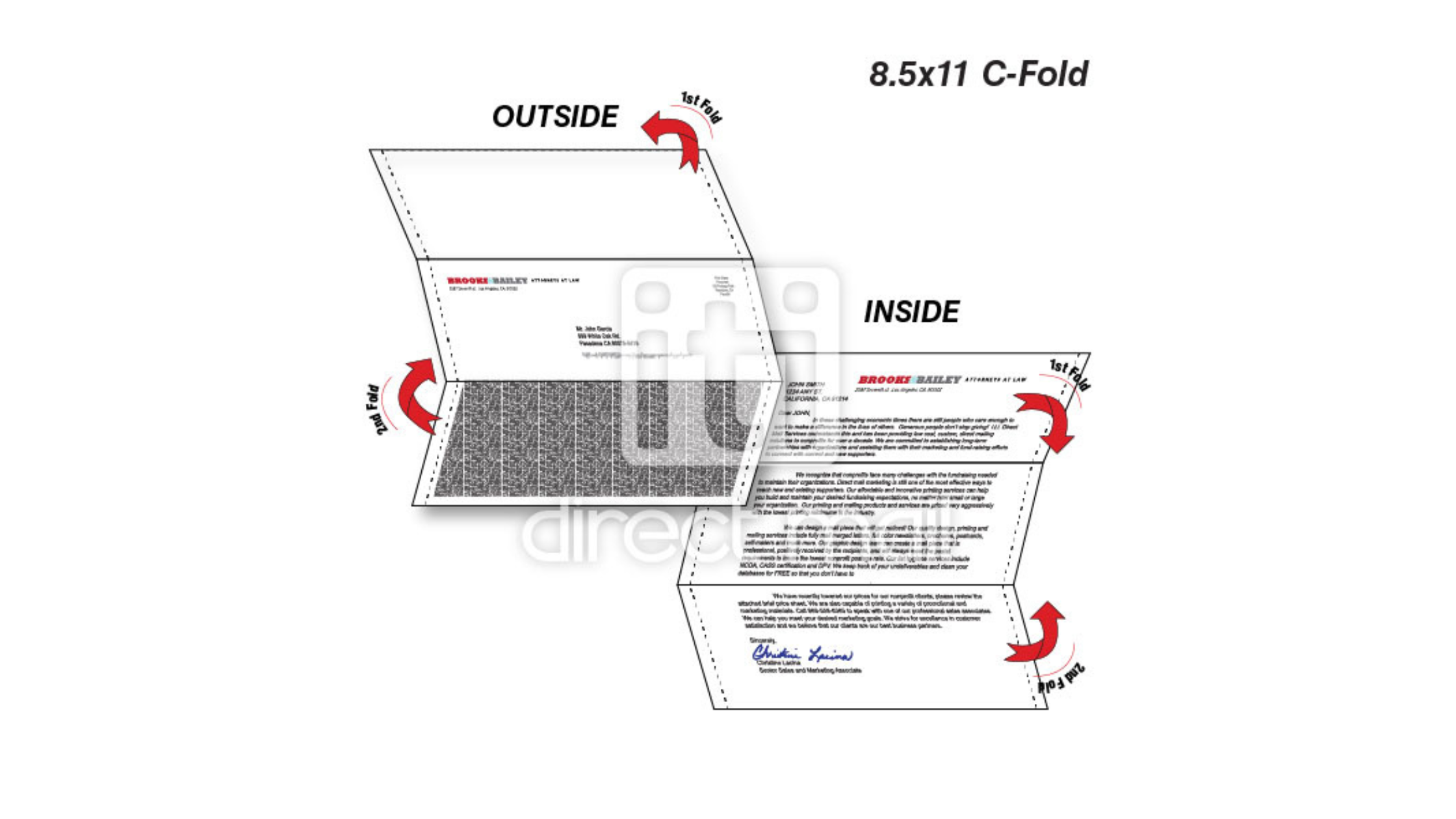
A Snap Pack Mailer is a sealed, pressure-seal style direct mail piece that folds into a compact format and opens into a larger layout when the recipient snaps it open. The edges are sealed during production, eliminating the need for an envelope. Once opened, the mailer reveals multiple panels arranged in a specific reading order.
This format differs significantly from a standard letter in an envelope. There is no extra layer to remove before the message begins. Compared to a postcard, it offers more space and structure. Compared to a brochure, it arrives sealed and self-contained, creating a moment of curiosity and intent before the message is revealed.
Format matters in direct mail because structure influences behavior. The way a piece opens determines how quickly content is seen and how long attention is held. A Snap Pack Mailer is designed to control that experience with precision.
Ready to Boost Your Direct Mail Response?
Get professional printing and mailing services tailored to your campaign goals.
How a Snap Pack Mailer Works Step by Step
The experience begins in the mailbox. The recipient sees a compact, sealed piece with a clear front panel. It feels complete and intentional. There is no loose insert or exposed interior content.
When handled, the piece feels solid. The sealed edges signal that something is inside, but opening it requires only a simple snapping motion. This action is quick and satisfying, requiring far less effort than tearing an envelope.
Once opened, the mailer expands into a larger layout with a built-in sequence. Panels unfold in a predictable order, guiding the reader from headline to explanation to call to action. This sequencing is not accidental. It is planned during layout so that the content aligns correctly after sealing and opening.
Production details such as folds and sealed edges are managed during printing, but from the reader’s perspective, the experience feels effortless. That ease is central to engagement.
Why the Snap Open Experience Drives Engagement
Engagement increases when the opening is simple. Every additional step creates friction, and friction causes hesitation. A Snap Pack Mailer removes that hesitation by making the open action intuitive and fast.
The compact sealed format creates curiosity without relying on gimmicks. It does not shout. It invites. Because opening takes only a moment, more recipients choose to do it.
Once open, people tend to spend more time with the piece. This increased time in hand matters. It gives the message space to unfold and reduces the chance that key points are missed.
More reading time leads to better comprehension. Better comprehension leads to stronger response behavior. This is how engagement connects directly to outcomes.
Evan Mercer often notes that interaction deepens attention. When a person physically participates, even briefly, they are more present. The snap-open experience creates that moment of participation.
Where Snap Pack Mailers Fit in a Campaign
A Snap Pack Mailer performs best when we need both visibility and explanation. It works particularly well when a message must be understood, not just seen.
Lead generation campaigns benefit because the format allows us to explain value quickly and clearly while driving a single next step. Appointment setting and consultation offers perform well because clarity reduces hesitation.
Customer reactivation campaigns also see strong results. The sealed format signals importance, while the interior layout allows us to reconnect with relevance.
Onboarding and informational outreach are strong fits when education matters. The Snap Pack provides enough space to explain without overwhelming.
It is not the right choice when a message is too complex for the available panel space or when the offer lacks enough value to justify the format. Format should support the message, not compensate for it.
What ROI Means for Direct Mail and How Snap Packs Support It
In direct mail, ROI is measured through revenue outcomes, lead outcomes, and cost efficiency. A Snap Pack Mailer supports all three, but only when used strategically.
Increased engagement raises response volume. Clearer messaging improves conversion quality. Consistent format supports recognition across multiple touches.
However, format alone does not guarantee ROI. Targeting, offering strength, personalization, and tracking all matter. The Snap Pack amplifies what is already working and exposes what is not.
Design Principles That Make Snap Pack Mailers Perform
Designing a Snap Pack Mailer starts with scanning. Recipients decide quickly whether to continue. The front panel must open.
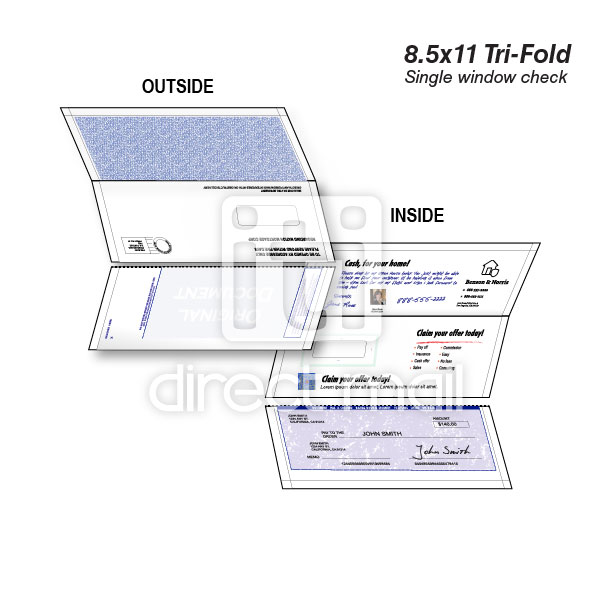
Common sizes and types include 8.5”x11” half or trifold, 8.5”x14” trifold, 8.5”x11” trifold, and blue check versions with a single window. Each offers different space and flow options.
The front panel should present a clear promise that matches the likely intent. Sender identity should be recognizable and trustworthy without feeling like generic advertising. Visual hierarchy should guide the eye naturally toward the open action.
Inside, the layout should be modular. Sections should answer key questions in order. What it is. Why does it matter? What we do next. How to respond.
Proof points should be short and specific. Calls to action should be clear and repeated calmly. Clutter should be avoided. Dense panels reduce comprehension and weaken response. Space allows information to settle, and that principle applies directly here.
Personalization and Variable Data in Snap Pack Mailers
Personalization increases engagement when it feels intentional. A Snap Pack Mailer can include names, service area references, and segment-specific messaging without feeling invasive.
Offers or benefit stacks can vary by segment, so content aligns with intent rather than simply swapping names. This alignment improves relevance and response.
Accuracy matters more than aggressiveness. Errors damage trust and reduce ROI. Safeguards such as proofing sample records, handling missing fields gracefully, and maintaining consistent formatting protect performance.
Targeting and List Strategy That Protects ROI
A Snap Pack Mailer performs best when it reaches the right audience. Relevance drives response. Practical segmentation includes geography and service radius, industry or business type, and lifecycle stage, such as new leads, warm prospects, or past customers.
List hygiene is essential. Duplicates should be removed. Addresses should be corrected. Undeliverables should inform future updates. Clean lists protect both budget and credibility.
Strong Snap Pack offers reduce uncertainty. They make the next step feel low effort. Clear value, clear eligibility, and clear timing matter. Urgency should be honest, not inflated. Language should feel helpful and legitimate rather than pushy.
Tone must match audience expectations. For professional services, credibility is often the main conversion lever. The front panel promise must align with the interior proof to avoid confusion and distrust.
How to Track Engagement and ROI From a Snap Pack Mailer
Tracking is essential because ROI cannot be improved without attribution. Low-friction tracking works best.
Dedicated phone numbers, short URLs, and dedicated landing pages that mirror the mailer message support accurate measurement. QR codes can be used sparingly when they support the call to action. Beyond response rate, we should measure conversion rate, cost per lead, lead quality, and follow-through actions such as appointment requests. Results should be tied back to segments for optimization.
Testing Snap Pack Mailers for Continuous ROI Improvement
Testing should focus on one variable at a time. Front panel headlines, offer framing, call to action wording, and interior section order are all testable.
Personalization depth by segment can also be tested. Timing and follow-up sequence matter because coordinated touches often drive the strongest response.
Holdout groups and split lists prevent guessing and allow confident decisions.
Common Mistakes That Lower Engagement and ROI
Weak front panel messaging fails to earn the open. Overcrowded interiors feel overwhelming. Mismatched offers reduce relevance.
Unclear next steps create hesitation. Poor data quality damages trust. Tracking gaps prevents learning and improvement.
Even well-printed pieces can underperform when these fundamentals are ignored.
Practical Use Cases and Content Structures
A lead generation framework works well when it presents a clear problem, a short solution path, and a single strong call to action.
Reactivation frameworks perform when they reference relevance, provide a simple offer, and reduce friction to respond.
Informational guide frameworks benefit from short sections and visuals that explain a process and guide the next step.
Conclusion
A Snap Pack Mailer boosts customer engagement by reducing opening friction, creating a clear reading sequence, and giving the message enough space to be understood. ROI improves when the format is paired with smart targeting, responsible personalization, a strong offer, and clean tracking. When structure, experience, and intent align, the Snap Pack becomes more than a mailer. It becomes a conversation starter.
For teams ready to produce and mail Snap Pack Mailer campaigns with precision and confidence, iti Direct Mail provides a streamlined workflow that brings printing, personalization, and direct mail delivery into one coordinated process. The focus is on clarity, consistency, and execution that works in the real world, helping each message arrive ready to be opened, understood, and acted on, so results are not left to chance but built intentionally from the start.
FAQs
What is a Snap Pack Mailer, and how is it different from a postcard or letter?
A Snap Pack Mailer is a sealed, snap-open format that offers more structure and engagement than postcards or letters.
Do Snap Pack Mailers work for professional services marketing materials?
Snap Pack Mailers work well for professional services when clarity and trust are essential.
How do we personalize a Snap Pack Mailer without making it feel invasive?
Personalization should remain professional and context-driven, avoiding overly sensitive details.
What is the best way to track ROI from a Snap Pack Mailer campaign?
ROI is best tracked through dedicated response channels and segment-level analysis.
What common design mistakes reduce Snap Pack Mailer engagement?
Common design mistakes include weak front panels, cluttered interiors, and unclear calls to action.
Written by The Letterprinting Team | 26 January, 2026


