Everything That Goes Into a Direct Mail Letter People Actually Open and Read
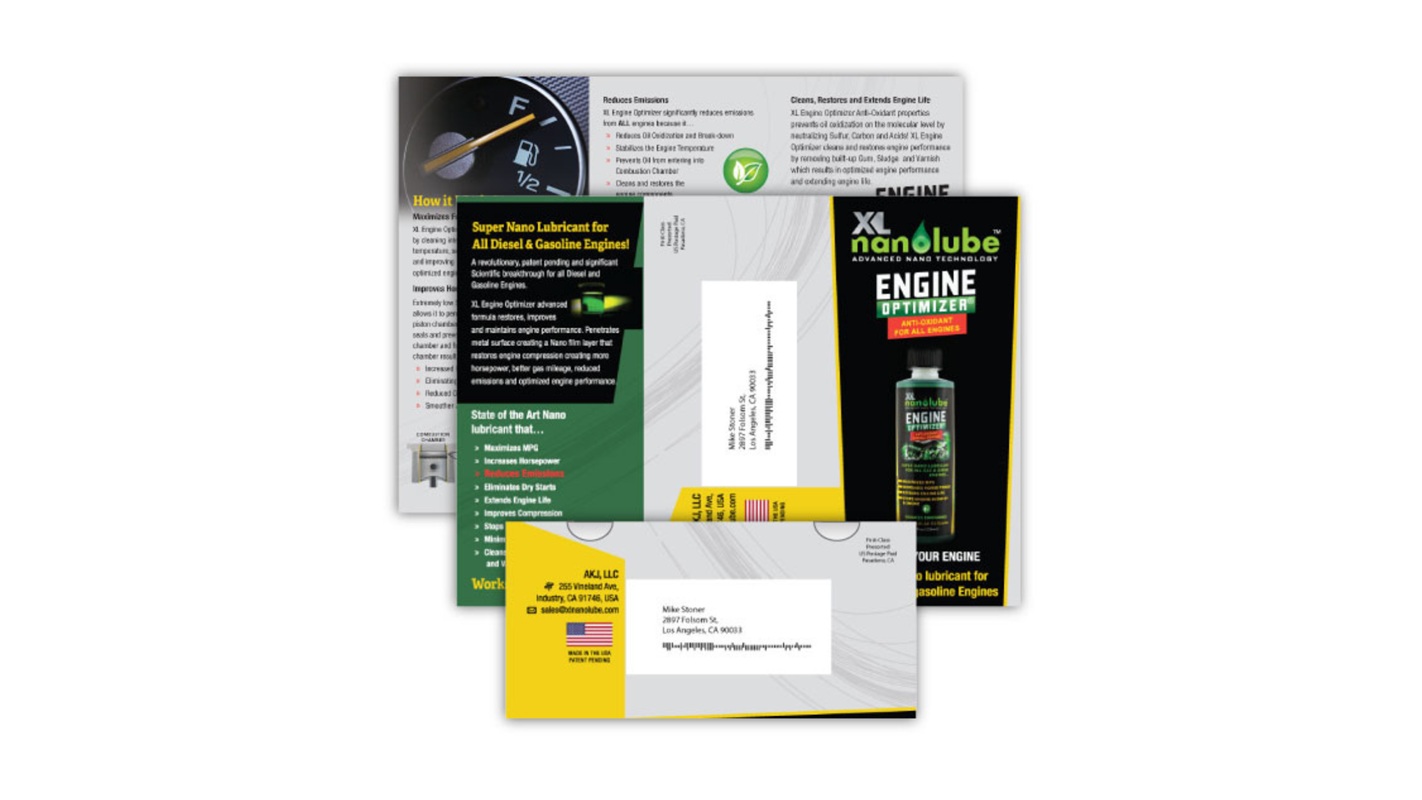
A direct mail letter has about three seconds to survive the trip from the mailbox to the trash. Everything that happens in those few seconds, the envelope, the first line, the way the piece feels in someone's hand, decides whether your message gets read or recycled. The letters that win those seconds are not lucky; they are built that way on purpose. Once you understand the choices behind a letter people actually open, you can stop guessing and start mailing pieces that earn attention.
The Envelope Decides Whether Anything Else Matters
No matter how good your message is, it means nothing if the envelope never gets opened. The outside of the piece is the first and most important filter.
A personal-looking envelope gets opened, while a salesy one gets tossed, and recipients make that call in an instant. Hand-addressing the envelope and using a real stamp both push the piece toward the personal side of that judgment. Teaser copy can help when it sparks curiosity, but it can just as easily scream advertisement if it reads like a billboard, so it has to be used with care. Even size and color play a part, since a piece that looks different from the usual white window envelopes stands out in the stack and earns a closer look.
Ready to Boost Your Direct Mail Response?
Get professional printing and mailing services tailored to your campaign goals.
The Opening Lines That Keep People Reading
Once the envelope is open, the first few lines have to justify the reader's attention immediately. People decide whether to keep reading almost as fast as they decide to open it.
A strong opening speaks to the reader rather than the sender, so it leads with something relevant to them instead of a paragraph about your company. Personalization helps enormously here. When personalized direct mail drops in the reader's name and a detail that fits their situation, the letter signals relevance in the first sentence. The format matters as much as the words. Short paragraphs, plain language, and generous white space make the page feel easy to read, while a dense wall of text invites people to give up before they start.
The Offer and the Ask
A letter people read still has to move them to act, and that depends on a clear offer paired with an obvious next step.
- One clear offer wins. A single, well-framed offer beats a letter crammed with competing options that leave the reader unsure what to do.
- One obvious call to action. Tell the reader exactly what to do next, whether that is to call, scan, or visit, and do not bury it.
- A reason to act now. A gentle deadline or limited window nudges people off the fence instead of letting the letter sit on a counter.
- An easy response path. Removing friction from the response, a simple number to call or a code to scan, lifts the number of people who follow through.
This is where solid direct mail marketing thinking pays off, because the cleanest offer and the simplest ask almost always outperform a cluttered, ambitious one.
The Production Details Most Senders Overlook
Plenty of letters get the words right and still underperform because the physical execution lets them down. The production side quietly shapes the result.
Paper stock and print quality form the first tactile impression, and a flimsy or poorly printed page undercuts even great copy. Personalization through variable data makes each direct mail letter feel one-to-one rather than mass-produced. Accurate addressing protects both deliverability and budget, since every undeliverable piece is wasted postage. None of this works without a clean foundation, so starting from current, well-maintained mailing lists keeps the entire effort efficient and on target.
Conclusion
A direct mail letter that gets opened and read is the product of dozens of small, deliberate choices, from the envelope to the opening line to the offer to the print quality. Get those details right, and a single sheet of paper can outperform far more expensive channels. The senders who treat every element with intention are the ones whose letters land in the read pile instead of the recycling bin.
About iti Direct Mail:iti Direct Mail designs, prints, and mails direct mail letters for small and mid-size businesses, handling every step in-house so each piece lands looking professional and personal. The team keeps quality high and pricing realistic for tighter marketing budgets. To plan your next mailing, visit iti Direct Mail or call 866-558-6365.
Frequently Asked Questions
What makes a direct mail letter get opened instead of thrown away? The envelope does most of the work. A personal-looking envelope with a hand-addressed style and a real stamp gets opened, while an obviously promotional one gets discarded on sight.
How long should a direct mail letter be? Long enough to make one clear offer and one clear ask, and no longer. Short paragraphs and white space matter more than total length.
Does personalization really improve direct mail response rates? Yes. Adding the recipient's name and a relevant detail signals that the letter is meant for them, which tends to lift both reading and response.
What is the best paper and envelope for a direct mail letter? It depends on the goal, but the paper and envelope should match the impression you want. A personal letter benefits from stock and an envelope that feels handwritten rather than mass-produced.
How do I measure whether my direct mail letter worked? Track responses through a dedicated phone number, a unique code, or a specific landing page so you can tie replies and sales back to the mailing.
Written by The Letterprinting Team | 15 June, 2026


