Printing Scoring
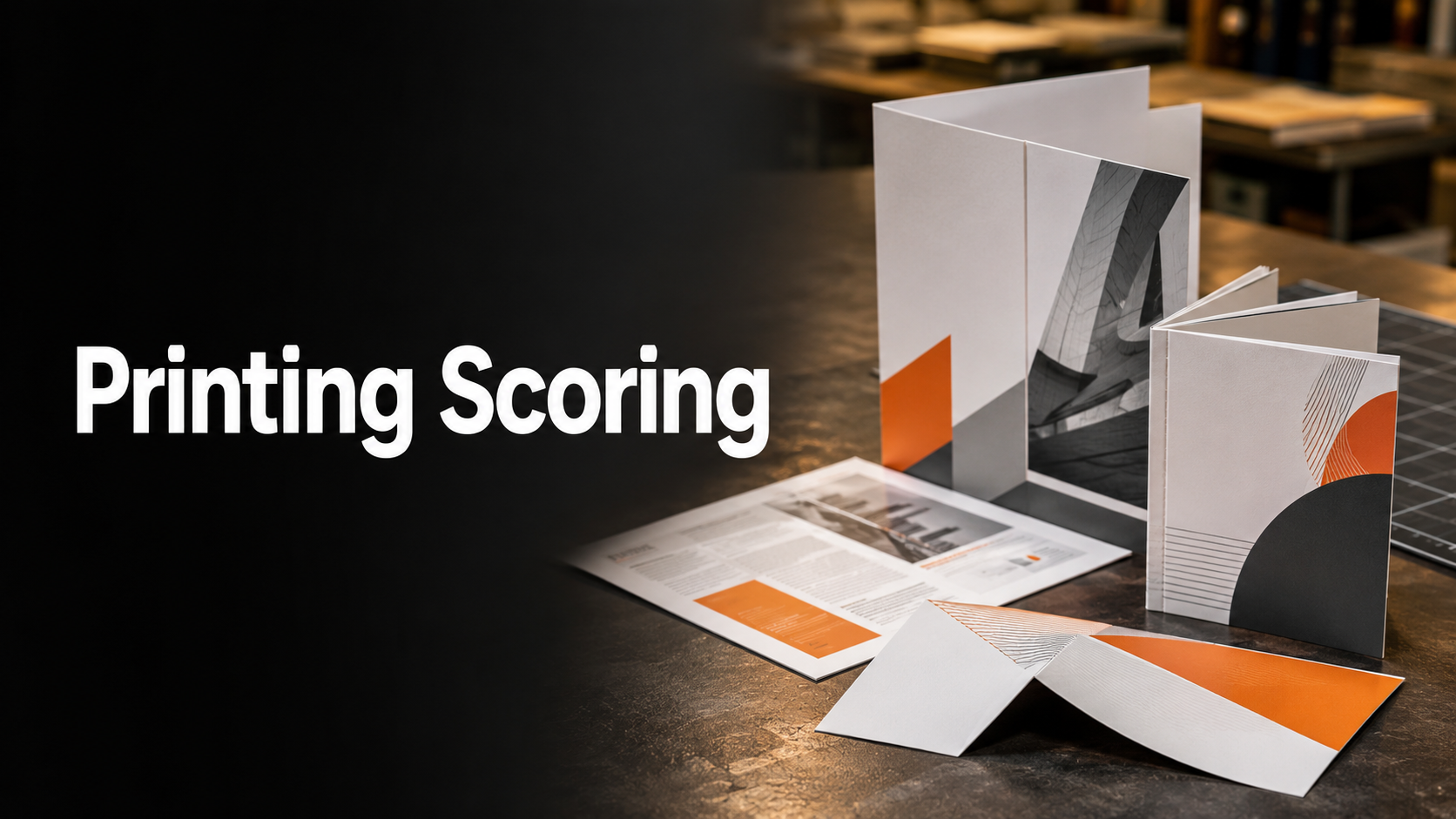
Printing Scoring Services That Keep Every Fold Clean
If your printed materials keep cracking along the fold, printing scoring services are the fix you're looking for. Scoring places a precise crease into paper before it's folded, letting brochures, booklets, and newsletters fold cleanly instead of splitting or showing jagged white lines along the crease. It's a small production step that makes a big visual difference, especially on thicker cardstock. Without it, even a well-designed piece can look unfinished the moment it's folded, undermining the professional impression you worked hard to create in the first place. Printing scoring services are essential for certain paper weights and genuinely optional for others, so knowing when you need them can save you both money and a disappointing final product.
Ready to Boost Your Direct Mail Response?
Get professional printing and mailing services tailored to your campaign goals.
What Scoring Actually Does
Think of scoring as a controlled crease line pressed into paper before folding happens. That crease weakens the paper fibers just enough along the fold line, allowing it to bend smoothly instead of resisting and cracking under pressure. Without scoring, thicker paper stock tends to crack visibly along the fold, leaving jagged, unprofessional-looking edges exactly where you don't want them, along the most visible part of your printed piece.
This matters most with cover-weight cardstock, the kind commonly used for booklet covers, presentation folders, greeting cards, menus, invitations, and heavier brochures. Scoring also improves folding accuracy by creating a defined path for the paper to follow. This helps panels align properly and makes the finished piece easier to assemble, package, or distribute. It is especially useful for designs with solid colors, photographs, or printed elements crossing the fold because even minor cracking can expose the white paper fibers beneath the ink. Thinner text-weight paper generally folds fine without scoring, but anything approaching cardstock thickness needs that extra step to fold cleanly every time, regardless of how carefully the piece was designed or printed beforehand.
When Scoring Is Required vs. Optional
Not every printed piece needs scoring, and knowing the difference helps you avoid paying for a step you don't actually need. With standard 20-, 60-, or 70-lb bond paper, scoring is almost never necessary since the paper is thin enough to fold cleanly on its own without any visible cracking.
Things change with 80- or 100-lb gloss text-weight paper. Scoring becomes optional here, and the right call depends on your specific artwork, fold style, and personal preference. Some cracking can still occur at this weight, but it is far more noticeable if the fold line falls across a dark, saturated area of your design. On white or lighter backgrounds, that same cracking still technically happens; it is simply far less visible, which is why many businesses skip scoring on lighter designs without any noticeable downside.
For genuine cardstock and cover-weight paper, scoring is not optional; it is required to avoid a visibly damaged fold every time. Skipping this step on heavier stock almost always results in a cracked, unprofessional-looking finished product, no matter how good the printing itself looks. Complex folds, including gate folds, accordion folds, and multiple-panel brochures, may also benefit from scoring because precise crease placement keeps every panel properly aligned. When uncertain, consider the paper weight, ink coverage, fold direction, and intended presentation before deciding.
Where Scoring Makes the Biggest Difference
Printing scoring services show up most often in brochure printing, where a clean, crisp fold directly affects how professional the final piece looks. A tri-fold brochure with a cracked spine immediately signals lower quality, even if the design and copy inside are excellent. Newsletter printing benefits the same way, particularly for half-fold or tri-fold layouts where a cracked spine would be immediately obvious to anyone flipping through it, right along the most-touched part of the piece.
Booklet printing relies heavily on scoring as well, since booklet covers are almost always printed on heavier stock that needs that extra structural support to fold without damage. Given how often a booklet cover gets opened and closed, an unscored fold on cardstock tends to worsen dramatically over repeated handling, eventually tearing along the crack line entirely.
Custom invitations and any project using premium, heavier cardstock also benefit significantly from scoring. Whenever a design calls for a bold statement through thicker paper, scoring is what keeps that impression intact through the fold instead of undermining it with a cracked edge that draws attention for all the wrong reasons.
How to Decide If You Need It
The simplest way to determine whether your project needs scoring is to look at your paper weight and your design. If you're working with anything approaching cardstock thickness, scoring should be considered a requirement rather than an upgrade. If you're on lighter text-weight paper but your design includes dark colors or heavy ink coverage along the fold line, adding scoring is a smart precaution even though it's technically optional, since the visual difference between a scored and unscored fold becomes obvious under the right lighting.
When in doubt, it's worth reaching out before finalizing your order, since a quick conversation about your specific paper stock and design can save you from an unexpected cracked fold on your finished materials. Getting this detail right the first time avoids the cost and delay of a reprint down the line.
Scoring and Folding Work Together, Not Separately
It is important to understand that scoring and folding are two connected production steps, not interchangeable processes. Scoring does not fold the paper; it creates a controlled crease that prepares the material for folding. The actual fold is completed immediately afterward along that predetermined line, helping the paper bend evenly without cracking, splitting, or resisting the fold.
Ordering a tri-fold or half-fold layout on heavier stock typically means scoring is incorporated into the production process rather than treated as a separate step. However, it is always helpful to confirm the requirements based on your selected paper weight, coating, ink coverage, and fold style.
This distinction becomes especially important when comparing prices for different paper types and folding options. A tri-fold brochure printed on lightweight bond paper and the same brochure produced on heavier cardstock may look similar, but they require different production methods. The cardstock version generally needs an additional scoring pass to prevent cracked ink and rough, unprofessional fold lines.
Understanding these requirements beforehand helps establish realistic expectations for pricing and turnaround time. Scored projects printed on heavier materials may take slightly longer to complete than similar projects printed on lightweight paper that can be folded directly. Visit the FAQ page for additional information about how pricing may vary according to paper type, quantity, and folding style.
If you are uncertain whether your selected paper and fold combination requires scoring, ask before finalizing the order. Confirming the specifications in advance is much easier than discovering visible cracking after the finished materials have arrived.
Planning a project with heavy paper stock? Explore the complete range of production services available from iti Direct Mail to find additional options that can improve the appearance, durability, and professional quality of your finished printed materials.
Frequently Asked Questions
What exactly does scoring do to paper?
Scoring presses a crease line into the paper before folding, allowing it to bend cleanly along that line instead of cracking or showing jagged edges at the fold.
Do I need scoring for standard bond paper?
Generally no. Standard 20-, 60-, or 70-lb bond paper is thin enough to fold cleanly without scoring in most cases.
Is scoring required for cardstock?
Yes. Thicker cover-weight cardstock needs scoring, or the paper will crack and show visibly jagged edges along the fold.
Does scoring matter for glossy text-weight paper?
It's optional at 80- or 100-lb glossy weight, though it's worth adding if your fold line crosses a dark or heavily inked part of your design.
What kinds of projects typically need scoring?
Brochures, newsletters, booklets, and custom invitations printed on heavier stock all commonly require or benefit from scoring services.
Have a project with a heavy paper stock? Add scoring services to your next order, or explore our full range of production services to see what else can improve your final print.
Revised 26 August, 2026


